
What to Expect from Professional Local Paving Services
January 29, 2026 By Howard Cooper
In the realm of property management, local paving services play a crucial role in maintaining the aesthetics, safety, and functionality of both residential and commercial properties. Understanding what to expect from professional paving services can guide you in making informed decisions and ensuring quality outcomes. This article outlines key aspects to anticipate when hiring professional local paving services, from planning and material selection to communication and cost assessment. Proper paving is not just about laying asphalt; it involves a comprehensive approach to ensure durability and longevity. By understanding this process, property owners can maximize their investment and enhance property value.
Understanding the Scope of Work
Engaging with professional paving services begins with an initial assessment and consultation to determine specific needs and project scope. During this phase, contractors assess the area, understand the requirements, and provide insights into potential designs and materials. This stage is crucial because it sets the foundation for the entire project, ensuring that both parties are aligned on expectations. Property owners should be prepared to discuss their budget, desired outcomes, and any particular concerns they have. Having a clear understanding of these aspects early on can help prevent misunderstandings as the project progresses.
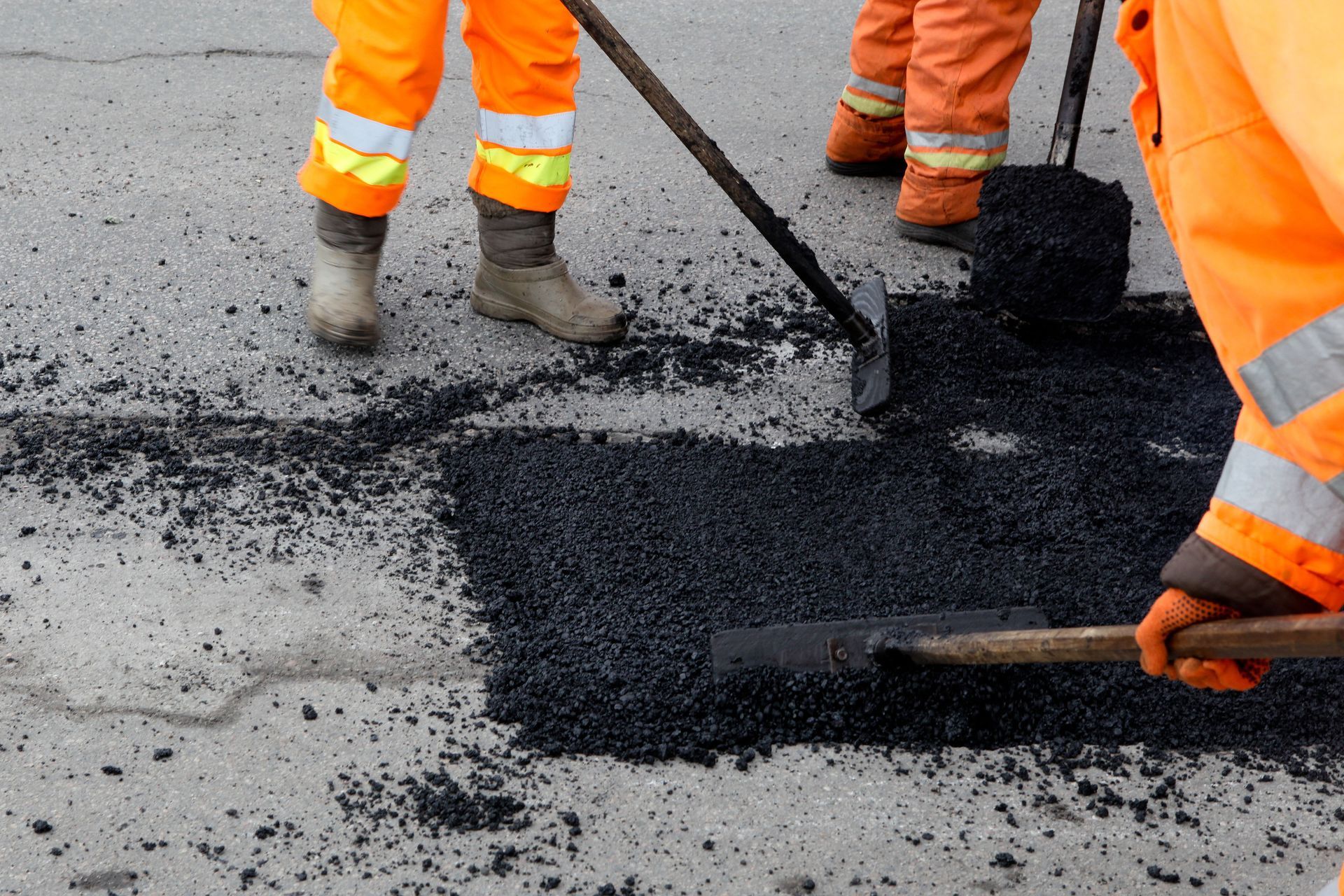
Once the initial consultation is completed, the preparation and planning phase commences. This involves site preparation, which may include excavation, grading, and setting up a solid base for the paving project. Proper planning ensures the final result is not only aesthetically pleasing but also structurally sound, capable of withstanding various environmental conditions. Planning also encompasses scheduling the work to minimize disruptions and ensure the project is completed in a timely manner. Careful planning ensures that every step is meticulously coordinated, leading to a more efficient and successful outcome.
Professional paving services often include a variety of options depending on the client’s needs. This can range from driveway paving to large-scale commercial projects like parking lots and roadways. According to the city of Colorado Springs, roads generally require maintenance like crack sealing every few years, resurfacing every 15-20 years, and full reconstruction every few decades. This information helps property owners anticipate future maintenance needs and understand the lifespan of their paving investment. Having a timeline also aids in budget planning, as one can allocate funds for maintenance and repairs well in advance.
Quality of Materials and Techniques Used
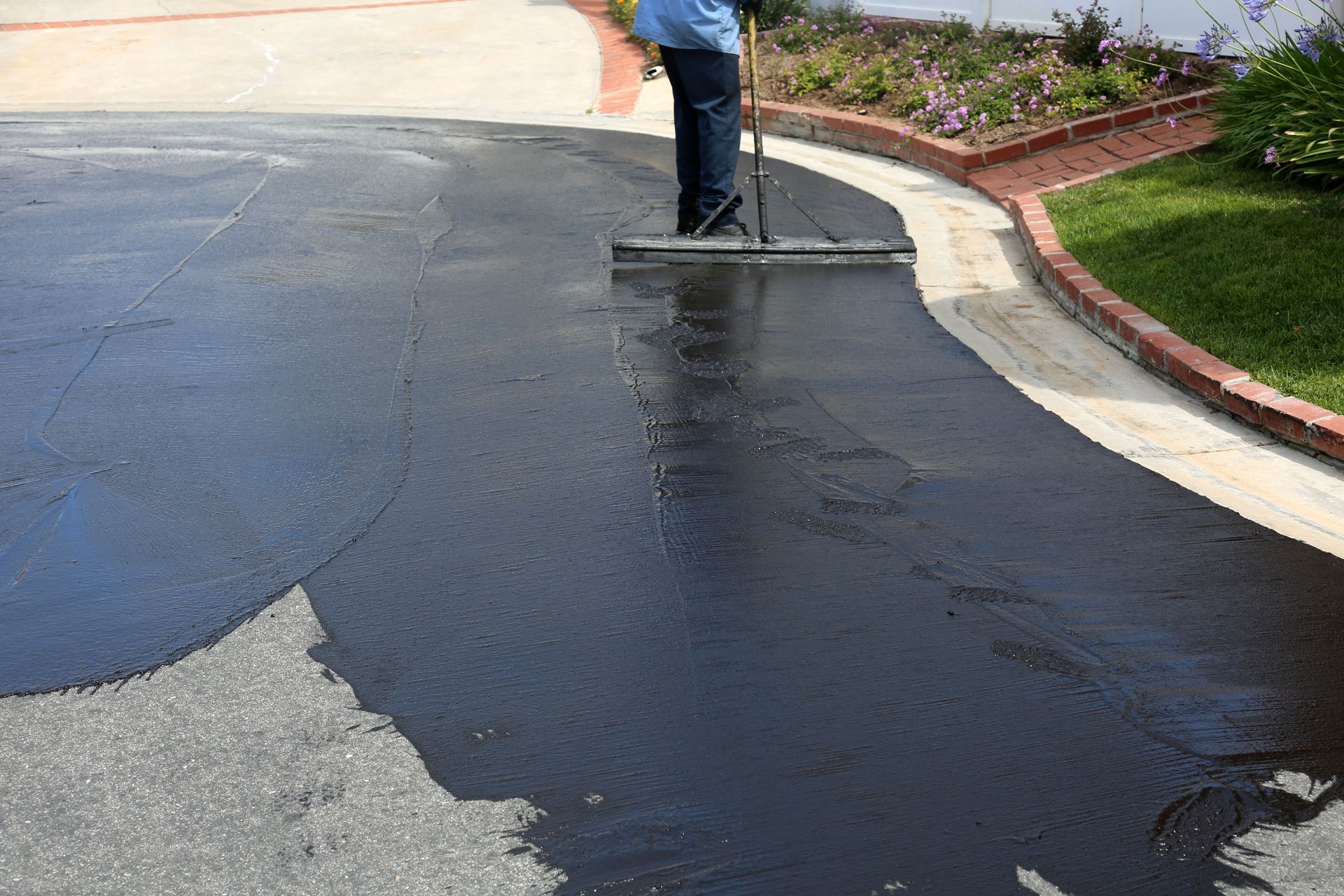
The choice of materials significantly impacts the longevity and durability of a paved surface. Common paving materials include asphalt, concrete, and pavers, each with its pros and cons. Asphalt is popular for its cost-effectiveness and durability, though it may require periodic maintenance like sealing. Concrete offers longevity and strength, albeit at a higher cost, and pavers provide versatility and aesthetic appeal for smaller projects. Understanding the properties of each material can help clients make an informed decision tailored to their specific needs and location.
In recent years, innovative paving techniques have emerged, enhancing the functionality and appearance of paved surfaces. Techniques like permeable paving allow for water drainage, reducing runoff and promoting environmental sustainability. Moreover, advancements in materials have led to mixes that resist temperature extremes and loading stresses better than traditional options. Contractors often stay abreast of such innovations, ensuring they apply the best practices and materials to each project. This commitment to innovation ensures that clients receive the best value and performance from their new paving.
Paving projects must adhere to local environmental guidelines and standards. This includes using materials that minimize environmental impact and ensuring proper disposal of waste. Contractors are well-versed in these regulations and take necessary steps to comply, providing peace of mind to clients. Additionally, environmentally friendly paving options can contribute to green building certifications, adding further value. These considerations ensure that a paving project is not only functional and attractive but also socially responsible and sustainable.
Professionalism and Communication
Clear and transparent communication between the contractor and the client is paramount. From the onset, discussing objectives, limitations, and expectations ensures that both parties are on the same page. Good contractors maintain open lines of communication, regularly updating clients on progress and any unforeseen issues. This transparency builds trust and facilitates problem-solving, ensuring the project remains on track. Regular updates also provide clients with the confidence that their project is being handled professionally and efficiently.
The responsiveness of a contractor to a client's needs is another critical factor. Clients should expect timely responses to inquiries and prompt attention to any issues that arise. Efficient project management encompasses the seamless handling of unexpected situations, minimizing their impact on the overall timeline. Contractors with strong problem-solving abilities can adjust plans and resources effectively to address challenges. Ensuring these attributes are present when selecting a contractor can greatly enhance the overall experience and satisfaction with the paving project.
Post-service follow-up is an often-overlooked aspect of professional paving services. Reputable contractors provide aftercare services and are available to address any concerns after project completion. This may include routine maintenance tips or addressing minor corrections. Having a contractor who remains engaged after the project is a testament to their commitment to client satisfaction and long-term project success. These practices contribute to a positive client relationship and ensure the paved surface continues to perform well over time.
Before, During, and After the Project
Effective preparation before the start of a paving project is essential for success. Prior to beginning work, the area must be cleared, utilities marked, and permits secured. Preparing the site properly can prevent future problems like drainage issues or settling. Contractors typically detail these steps in their planning phase, ensuring that every aspect is covered. Clear roles and responsibilities at this stage help streamline the process and set the groundwork for a smooth installation.
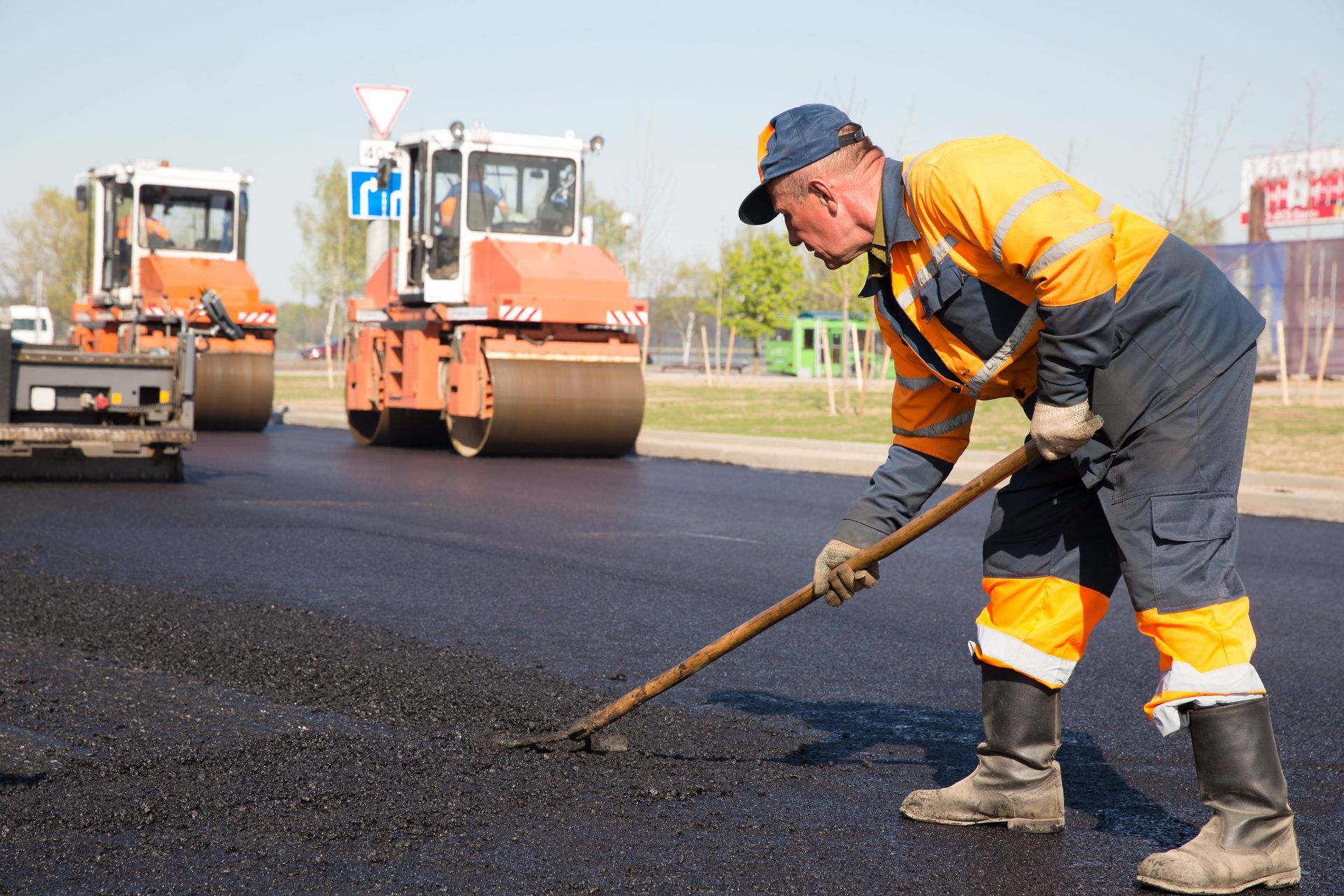
During the project, continuous monitoring and regular updates ensure that the work proceeds according to plan. Adjustments may be necessary to respond to unforeseen challenges or changes in client preferences. By closely supervising the project, contractors can maintain quality and timeliness. Clients can also expect periodic meetings or site visits to view progress and address any immediate concerns. This collaborative approach helps ensure a successful project completion and client satisfaction.
After the project, a final inspection and approval process is crucial. Once the paving is completed, a thorough review checks for defects or areas needing adjustment. Cleanup and maintenance guidelines are then provided to help preserve the paved surface's condition. These steps certify that the project meets agreed standards and will perform as expected. Investing time in this final stage highlights the attention to detail and commitment to quality that professional paving services offer, ensuring long-term satisfaction.
Cost and Financial Considerations
Understanding quotes and bids when hiring a paving contractor is an important aspect of the process. Clients should expect detailed estimates that outline the scope of work, materials, and labor costs. Comparing multiple quotes helps in assessing competitive pricing and identifying any discrepancies. Moreover, having clarity on costs helps avoid potential hidden fees, which can disrupt a well-planned budget. Transparency in financial transactions builds trust and assures clients of value for money.
Engaging professional local paving services requires careful consideration of various factors including the scope of work, quality of materials, professionalism, project management, costs, and selecting the right contractor. By setting clear expectations and understanding the intricacies of paving projects, property owners can achieve durable, aesthetically pleasing results that enhance their property's value and functionality. It's a process that goes beyond simple labor; it encompasses art, science, and skill to deliver long-lasting structures. By investing in these services, one ensures the safety and aesthetics of a property, making it a sound financial move over time. Adhering to well-researched decisions leads to rewarding results and maximized benefits. Be sure to reach out to Cooper Bros Asphalt Paving today for more information on our professional local paving services!






Share On: