
How Does the Process With Paving Companies Work?
March 17, 2026 By Howard Cooper
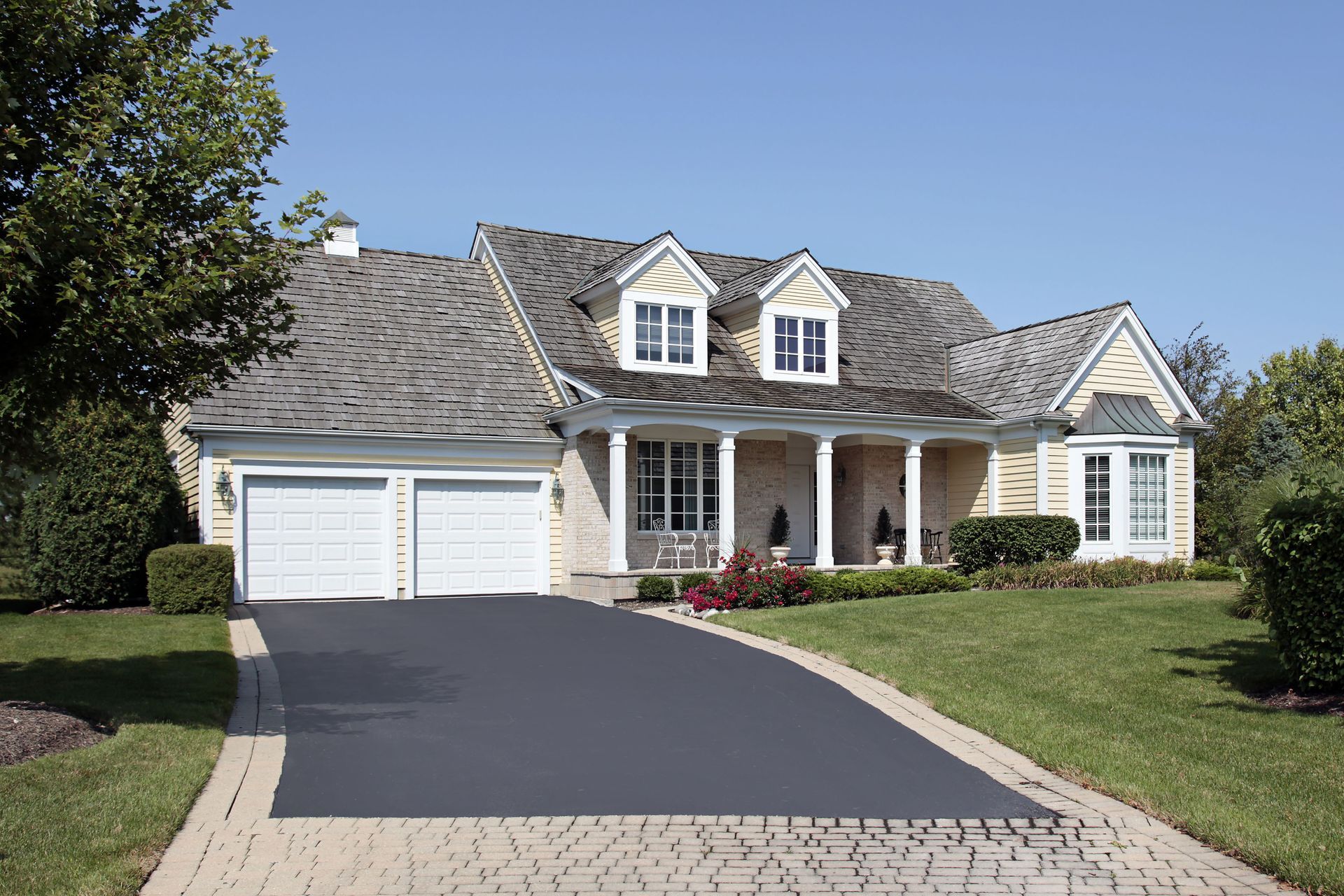
Paved surfaces play an important role in the safety, accessibility, and appearance of many properties. Driveways, parking lots, private roads, and walkways allow vehicles and pedestrians to move safely while also contributing to the overall organization of a property. Over time, however, pavement can begin to deteriorate due to constant traffic, weather conditions, and natural wear. Cracks, potholes, and fading surfaces can develop, making repairs or replacement necessary to maintain the integrity of the pavement. These issues can also create potential safety concerns for both drivers and pedestrians if they are not addressed promptly.
When these issues arise, many property owners turn to professional contractors for assistance. While the idea of hiring a contractor may seem straightforward, many people are unsure about how the process works or what steps are involved from start to finish. Professional paving projects follow a structured process that helps ensure the final surface is durable, smooth, and able to withstand daily use. Understanding how paving companies approach each stage of a project can help property owners feel more prepared and confident when planning improvements. In this article, we will explain how the paving process works and what you can expect when working with professional contractors.
Initial Consultation and Property Assessment
The first step in working with paving companies usually begins with an initial consultation. During this stage, property owners contact a contractor to discuss their paving needs. This conversation often includes details about the condition of the current surface, the size of the area that needs paving, and the intended use of the space.
After the initial discussion, contractors typically schedule an on-site visit to evaluate the property in person. This inspection allows them to assess important factors such as the condition of the existing pavement, drainage patterns, soil stability, and any surrounding structures that could affect the project. Contractors may take measurements of the area and identify potential challenges that could influence the installation process.
During this assessment, contractors also determine whether the project requires complete pavement replacement, resurfacing, or targeted repairs. These evaluations help paving companies create a solution that matches both the property’s needs and the owner's budget.
Creating a Detailed Project Proposal
Once the site inspection is complete, the contractor prepares a detailed project proposal. This proposal outlines the recommended services, materials to be used, estimated costs, and an approximate timeline for completing the work.
The proposal serves as a roadmap for the entire paving project. It explains the scope of work and helps property owners understand exactly what the contractor plans to do. For example, the proposal may specify whether the project includes excavation, base installation, asphalt paving, sealcoating, or additional finishing services.
The demand for these services has continued to increase as more properties prioritize pavement maintenance and longevity. According to LinkedIn, the commercial sealcoating industry is experiencing steady growth, with the US market valued at $0.9 billion in 2024 and projected to reach $1.4 billion by 2033. This growth highlights the increasing importance of professional paving and maintenance services for both residential and commercial properties.
At this stage, property owners have the opportunity to ask questions and clarify any details about the process. Communication between the contractor and the client is important during this phase to confirm that both parties share the same expectations regarding the final result. Once the proposal is approved, the contractor can schedule the project and begin preparing for construction.
Preparing the Site for Paving
Site preparation is one of the most important stages in any paving project. Before new asphalt or concrete can be installed, the existing surface and underlying ground must be properly prepared to support the new pavement.
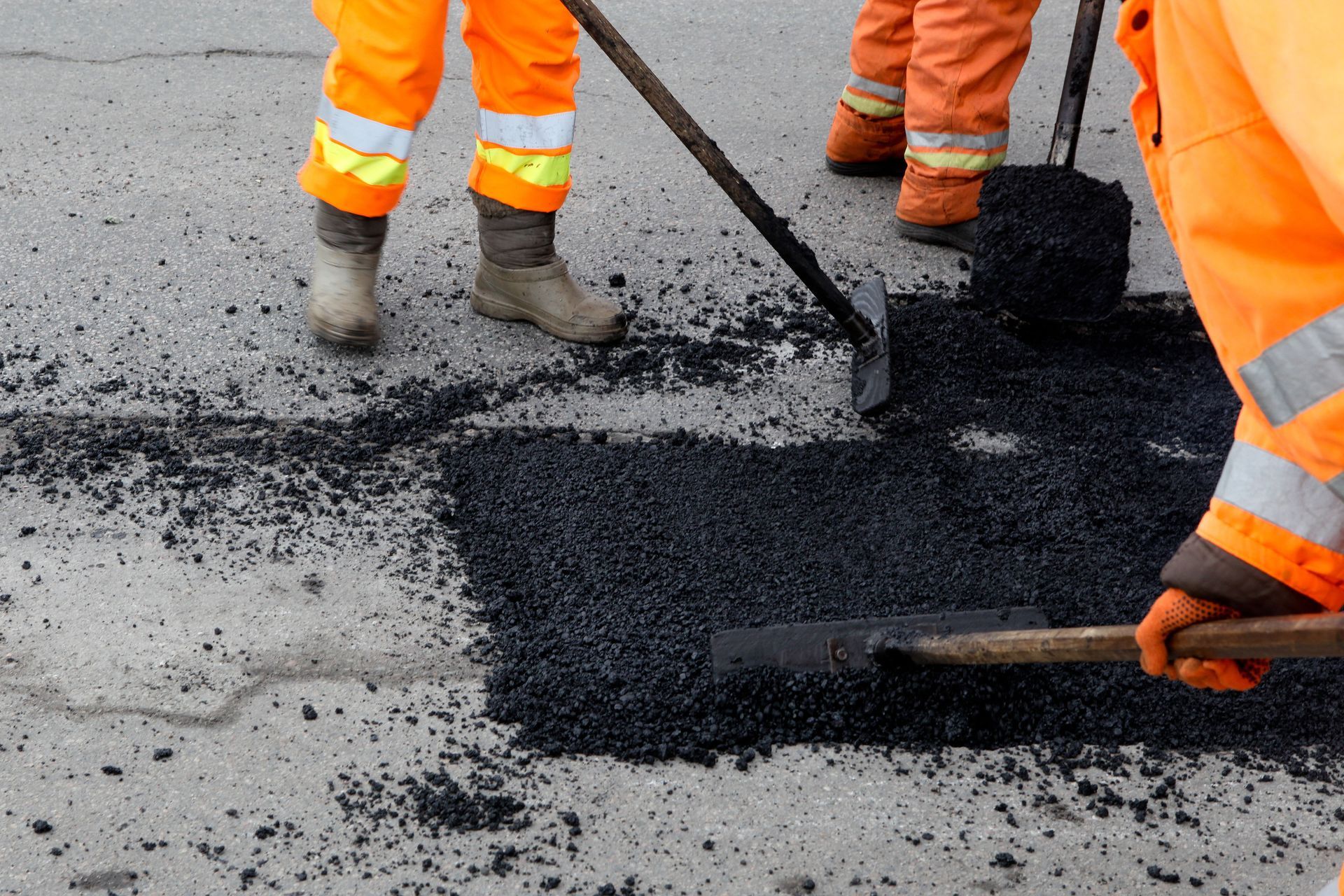
Preparation often begins with clearing the area of debris, vegetation, or damaged pavement. If an old driveway or parking lot is being replaced, contractors may use heavy machinery to remove the existing surface. Excavation may also be necessary if the ground needs to be leveled or reshaped.
After clearing the area, the ground is graded to create proper drainage. Good drainage helps prevent water from pooling on the surface, which can lead to cracks and deterioration over time. Contractors use specialized equipment to create a smooth slope that directs water away from the pavement. Paving companies place great importance on this preparation stage because the stability of the ground directly affects the longevity of the finished pavement.
Installing the Foundation and Base Layers
After the site has been properly prepared, contractors begin installing the foundation layers that support the pavement. These layers are critical for distributing weight and preventing the surface from shifting or sinking.
The base layer typically consists of crushed stone or gravel that is spread evenly across the prepared area. This material is then compacted using heavy rollers or vibrating equipment to create a dense and stable foundation. Compaction removes air pockets and strengthens the base so it can support the weight of vehicles and daily traffic.
The thickness of the base layer often depends on the intended use of the paved surface. For example, residential driveways may require a thinner base layer than commercial parking lots that must support larger vehicles. By installing a strong foundation, paving companies help ensure that the surface above remains durable and stable for many years.
Applying the Asphalt or Paving Surface
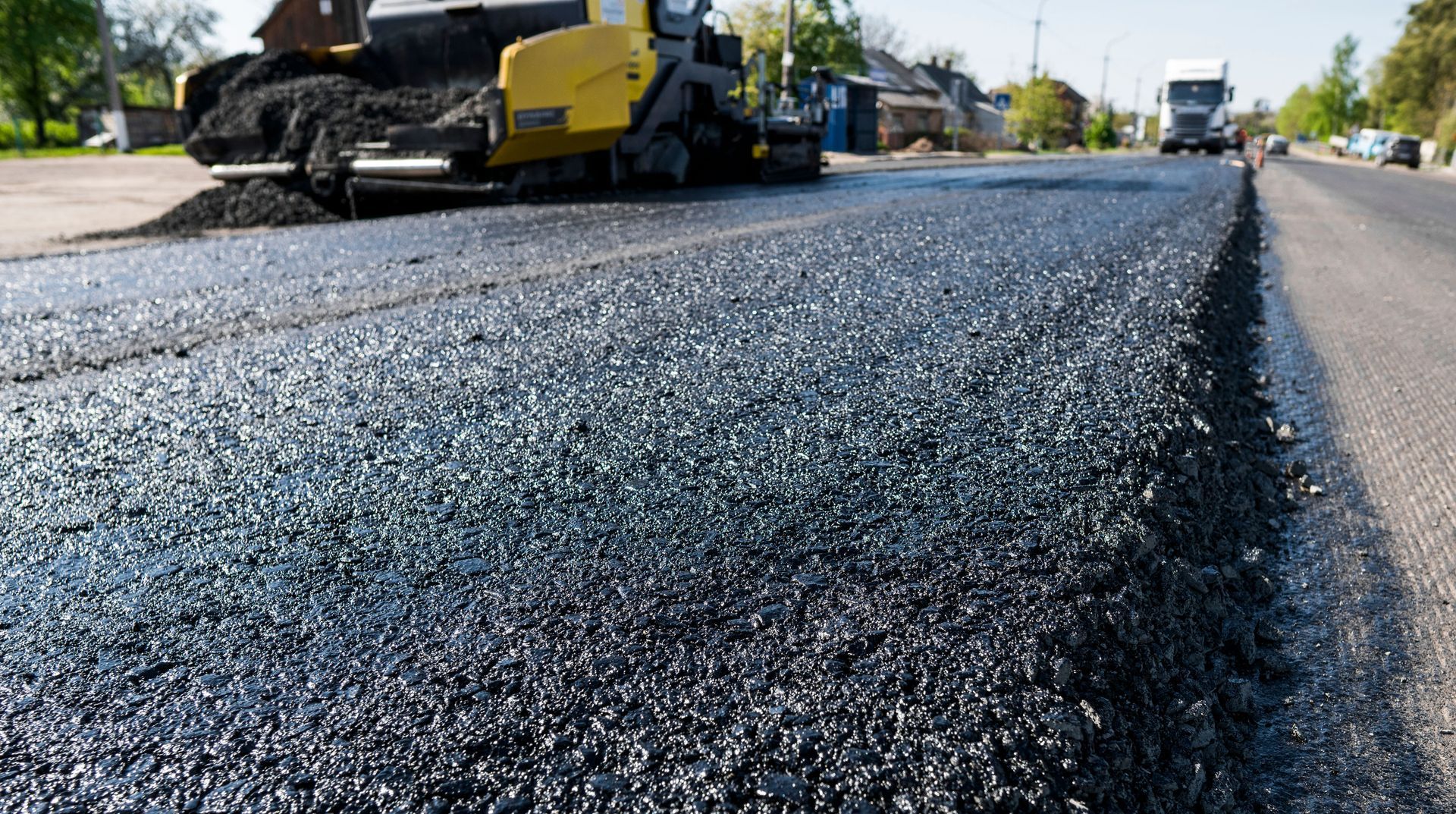
Once the base layers have been completed, the next step is installing the pavement itself. Asphalt is one of the most commonly used materials for driveways, parking lots, and private roads due to its durability and cost-effectiveness.
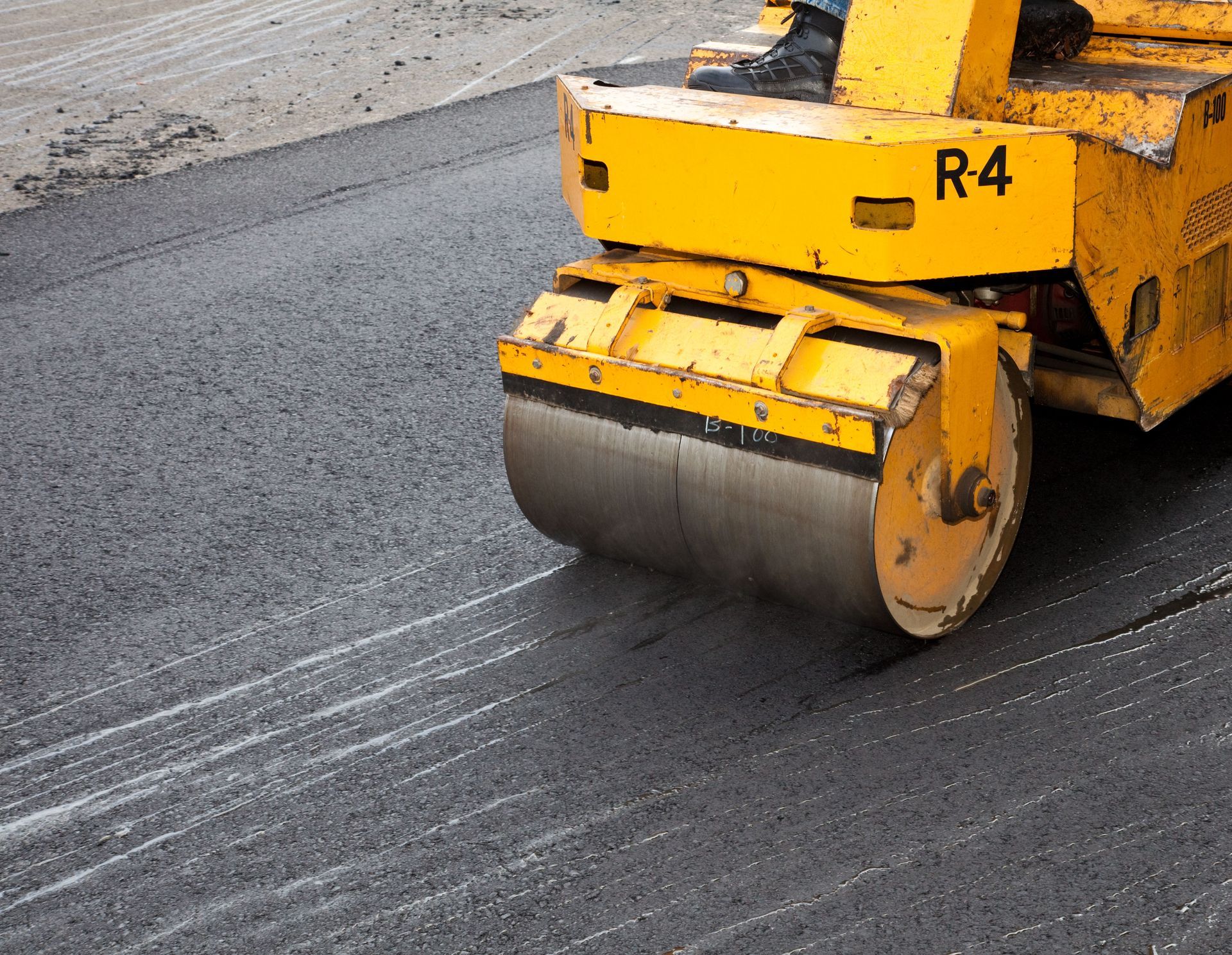
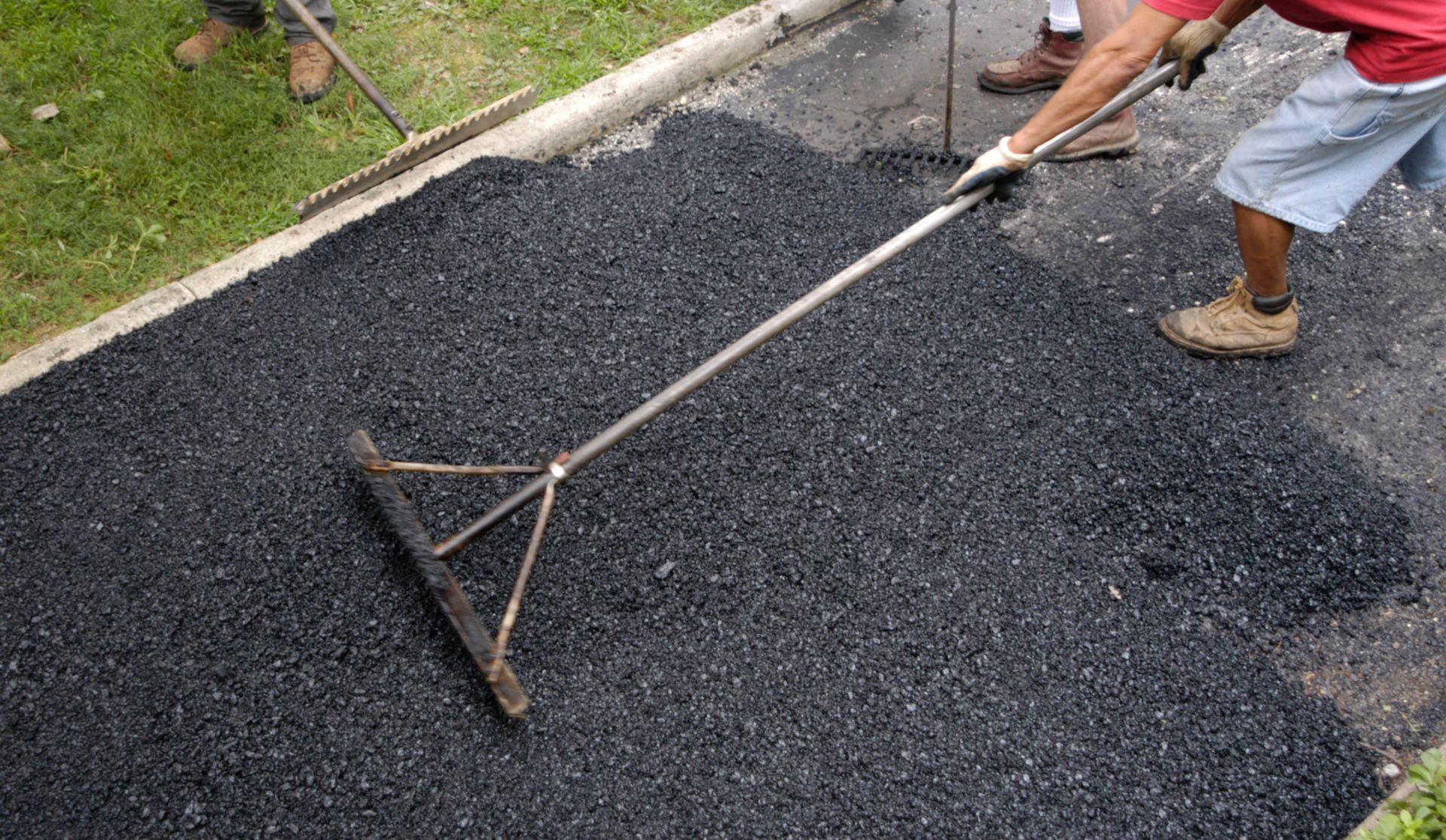
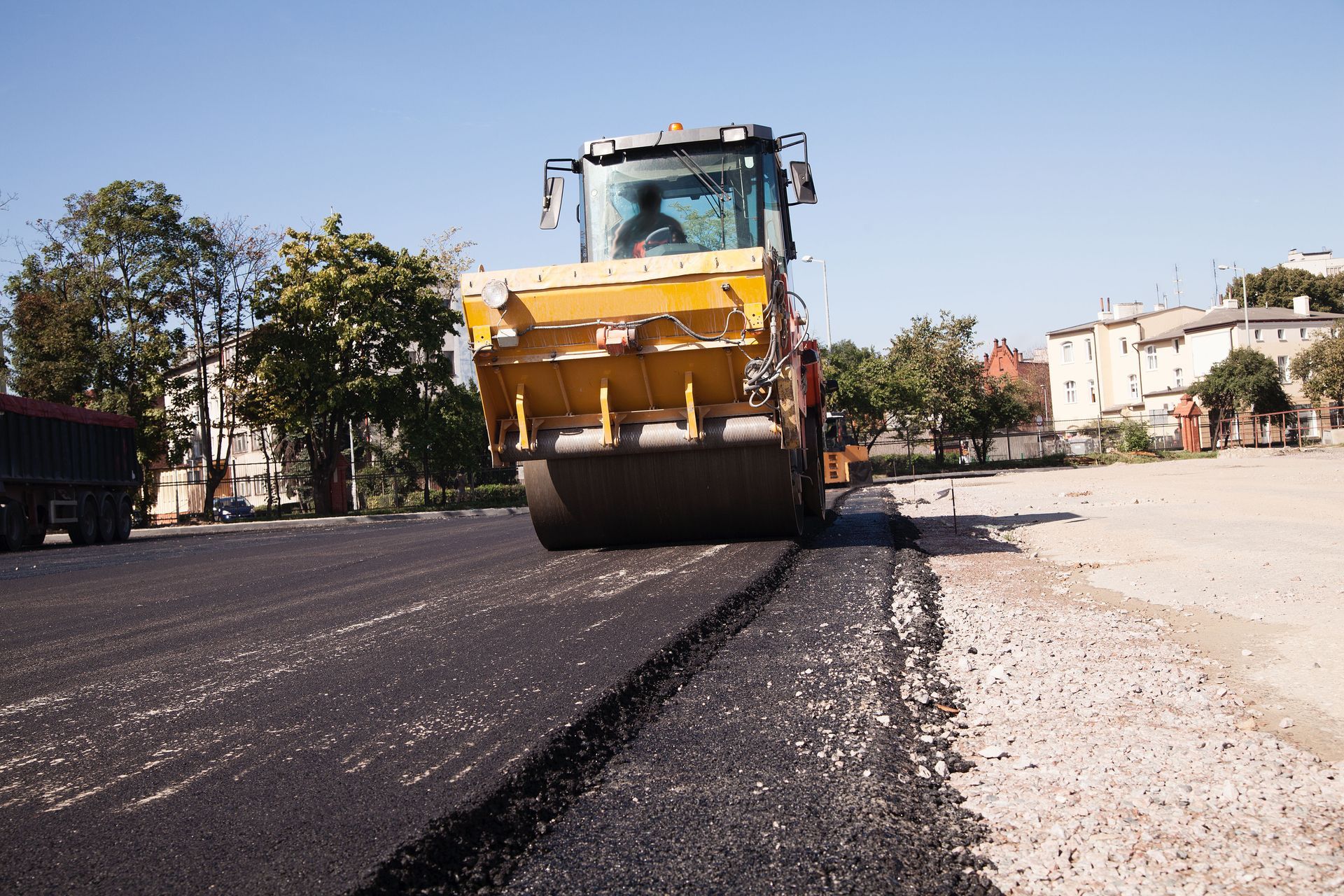
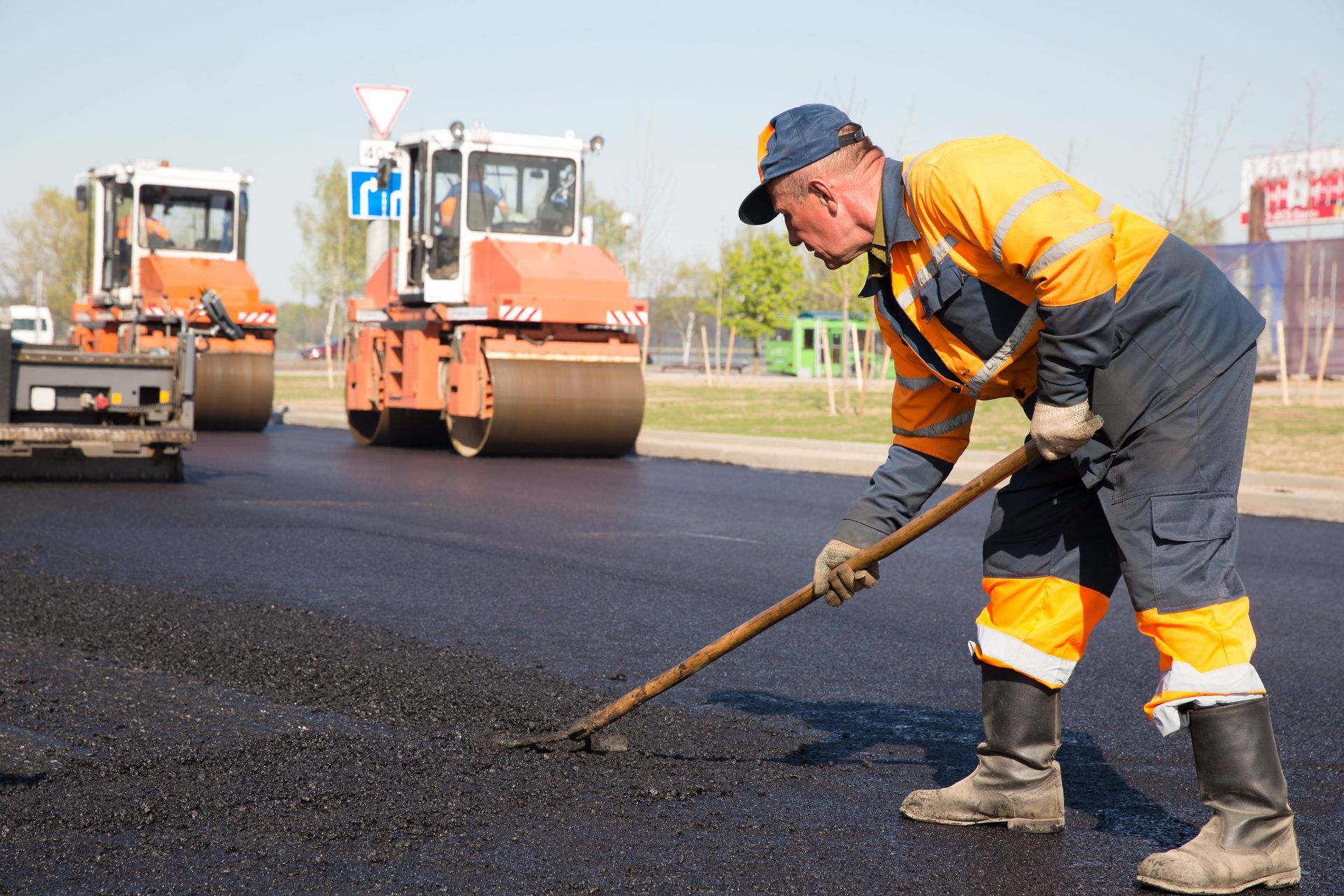
During installation, hot asphalt is transported to the job site and spread evenly across the prepared base using paving machines. Workers carefully control the thickness and distribution of the material to create a uniform surface. After the asphalt is placed, heavy rollers compact the material to remove air pockets and strengthen the pavement.
The timing of this process is important because asphalt must be compacted while it is still hot. Proper compaction helps create a smooth, dense surface that can withstand heavy use. Professional paving companies coordinate their crews carefully during this stage to maintain efficiency and achieve consistent results across the entire surface.
Final Finishing and Surface Inspection
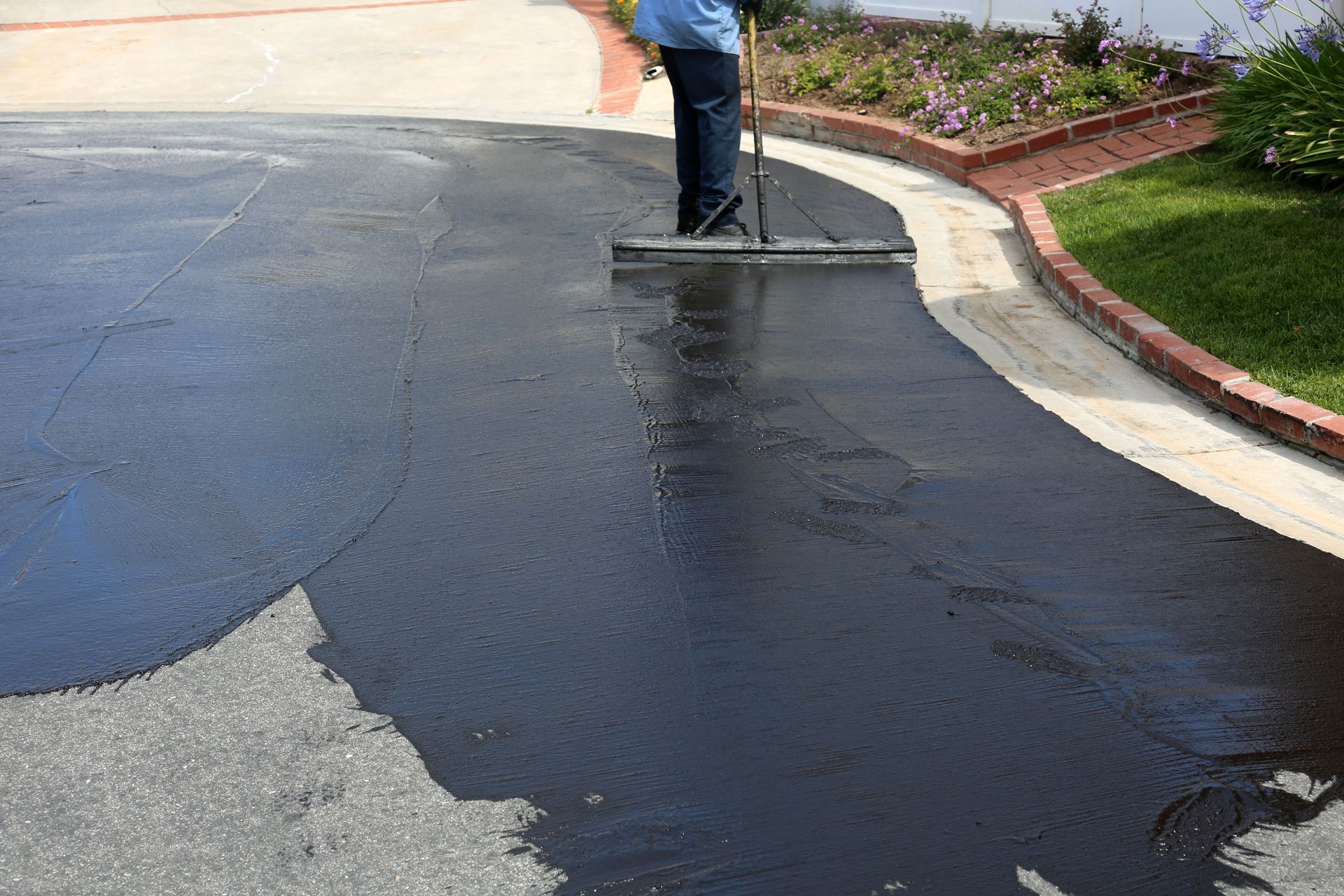
After the asphalt has been installed and compacted, contractors complete several finishing steps to finalize the project. These tasks may include smoothing edges, adjusting drainage areas, and cleaning up the surrounding worksite.
Once the pavement has cooled and stabilized, contractors conduct a final inspection to confirm that the surface meets quality standards. They check for smoothness, proper grading, and consistent thickness throughout the paved area.
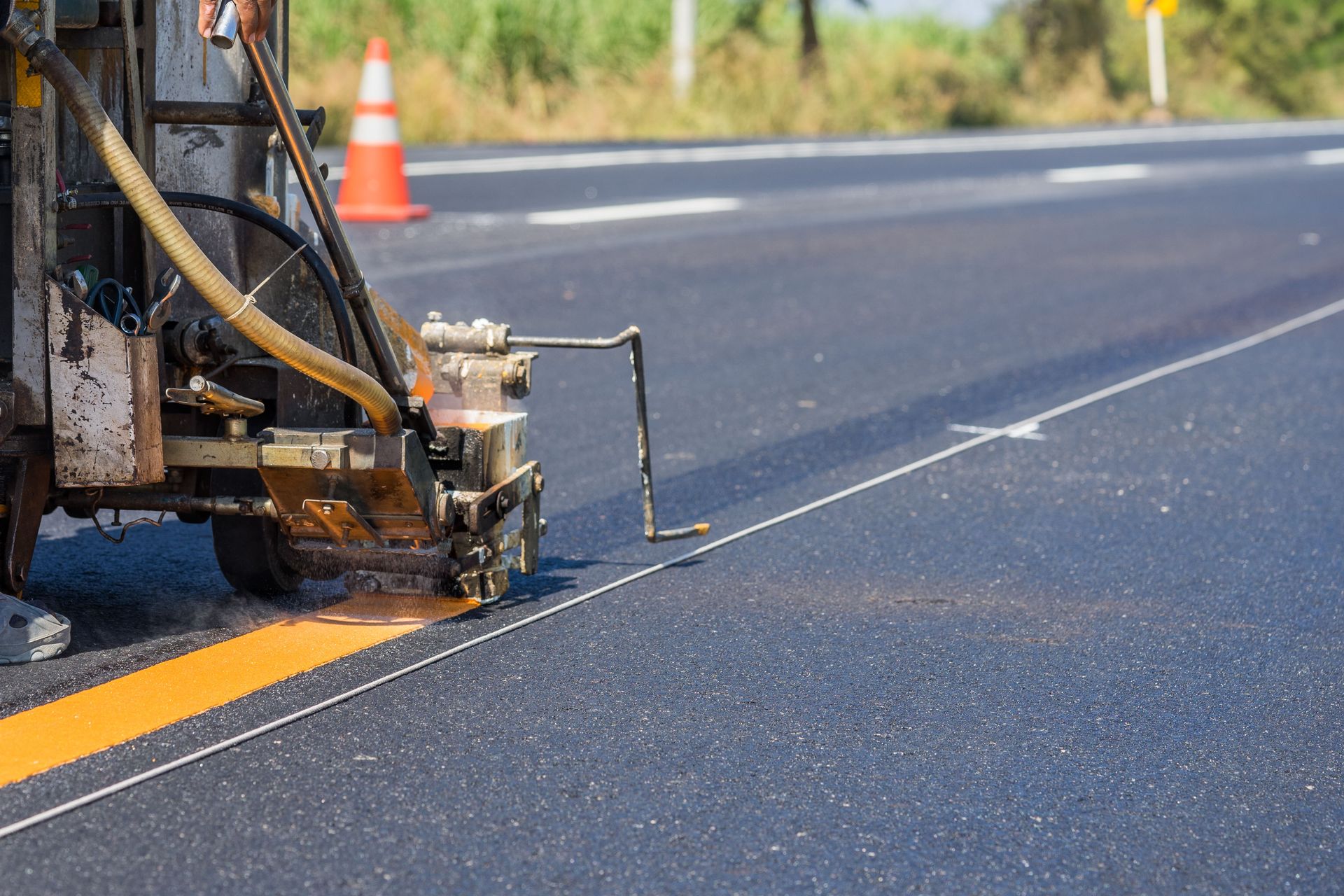
For commercial projects such as parking lots, additional services may also be performed during this stage. These services may include line striping, signage installation, and marking designated parking spaces or traffic flow areas. These finishing touches help improve both safety and organization while making the paved area easier for drivers and pedestrians to navigate.
The process of working with paving companies involves several important stages, each designed to create a strong and durable finished surface. From the initial consultation and property assessment to site preparation, base installation, asphalt paving, and final inspection, every step contributes to the quality and longevity of the pavement.
Understanding how the process works can help property owners feel more confident when planning paving projects for their homes or businesses. A well-installed paved surface can improve accessibility, safety, and the overall appearance of a property for many years. If your driveway, parking lot, or roadway needs professional attention, contacting us at Cooper Bros Asphalt Paving Inc can help you start the process and create a durable paved surface that enhances both the functionality and appearance of your property.
Share On: