
Paving Company: The Hidden Role of Base Preparation
September 24, 2026 By Howard Cooper
The field of asphalt work is intricate, requiring a balance of engineering precision, specialized equipment, and heavy materials. Every successful surface depends on steps completed long before top layers are applied. A qualified paving company recognizes that long-term performance hinges on structural groundwork rather than surface appearances. Base preparation serves as the true foundation for driveways, parking lots, and roadways, bearing load forces and managing subsurface water movement.
Constructing quality surfaces demands an appreciation for soil mechanics, site drainage, and proper material density. An experienced crew evaluates subgrade conditions to ensure the ground withstands environmental stress and heavy vehicular traffic. Proper subbase execution minimizes common failures such as cracking, rutting, and shifting over time. Understanding the intricacies of initial site work transforms standard construction into a long-lasting investment.
Understanding the Core Foundation
The base layer serves as the cornerstone of structural stability for any asphalt installation. Constructing this primary layer demands careful execution because it supports upper courses and absorbs continuous traffic weight. Soil assessments and mechanical compaction help prevent structural deficiencies that compromise overall surface integrity. A skilled paving company analyzes local subgrade traits to avoid premature settlement and uneven wear patterns across high-traffic zones. Proper execution at this initial phase ensures that load stresses distribute evenly into the underlying soil.
Base configurations vary based on environmental conditions and expected operational loads across different facilities. A heavy-duty freight terminal requires a substantially stronger foundation than a light commercial parking area. Engineers evaluate subgrade strength and select appropriate aggregate blends tailored to specific site challenges. According to Intel Market Research, the international market for road pavers is anticipated to expand from USD 2,160 million in 2025 up to USD 2,656 million by 2032. Tailoring base construction to precise environmental demands prevents deep subgrade failures and preserves infrastructure functionality.
Enhancing Long-Term Structural Durability
Durability remains a principal goal for infrastructure projects, relying directly on the quality of early site work. Solid foundational layers withstand environmental freezing, water infiltration, and heavy vehicle axle weights without shifting. Preventing subgrade movement shields upper surface layers from localized cracking, deep rutting, and costly structural failures. Allocating adequate time and material resources to site preparation yields extended surface lifespans and protects property investments. Ignoring groundwork creates ongoing maintenance burdens that compromise safety and operational utility.
Paved surfaces resist harsh seasonal cycles when supported by properly compacted base aggregates. Well-constructed foundations distribute stress effectively, preventing surface deformation under repeated physical pressure. Modern engineering methods allow contractors to identify weak soil zones and apply stabilization techniques before laying surface asphalt. A forward-thinking paving company utilizes these predictive approaches to ensure dependable performance under rigorous real-world conditions. Providing resilient infrastructure supports community mobility and ensures that capital investments deliver maximum functional value over time.
Implementing Advanced Site Preparation Methods
Site preparation practices have evolved significantly, combining traditional civil engineering principles with refined modern techniques. Mechanical stabilization uses graded crushed stone and gravel to maximize aggregate interlocking and load distribution. Chemical stabilization introduces agents like lime or cement to transform problematic, expansive soils into stable supporting platforms. A reliable paving company selects appropriate stabilization methods based on comprehensive geotechnical evaluations, site drainage patterns, and load requirements. Customizing preparation techniques ensures stable ground conditions across diverse geographic locations.
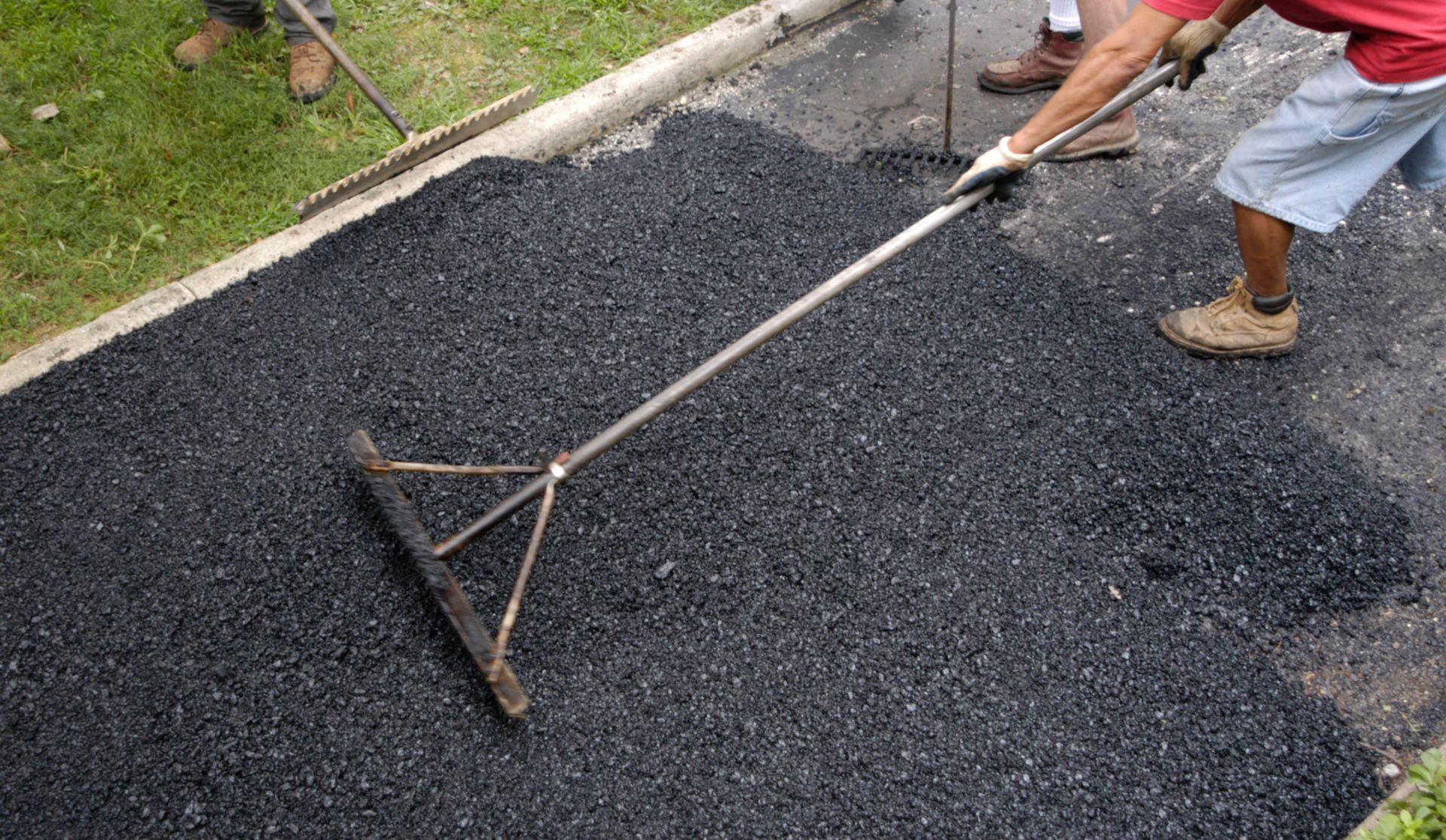
Precision technology enhances subgrade preparation by providing accurate elevation control and optimal compaction monitoring. Laser leveling systems and site scanning tools enable crews to achieve exact grading profiles across expansive project areas. These technological tools reduce human error, streamline material placement, and establish uniform density across every subbase layer. Modern site preparation methods shorten project schedules while improving overall construction quality and long-term surface stability. Embracing innovation allows contractors to construct sustainable asphalt installations that fulfill demanding modern specifications.
Selecting High-Performance Subbase Materials
Selecting appropriate subbase aggregates is essential for achieving overall structural resilience and proper drainage. Materials such as crushed limestone, washed gravel, and clean sand are chosen for their load-bearing capacity and permeability. Crushed stone provides excellent angular interlocking, preventing lateral displacement under heavy loads while allowing excess moisture to drain freely. Choosing high-grade aggregates prevents water retention, which otherwise weakens subgrade soils during freeze-and-thaw cycles. Comprehensive evaluation of material properties guarantees that the supporting foundation meets required performance standards.
Sustainable material practices continue to shape modern construction methods through options like recycled concrete aggregate. Utilizing crushed existing pavement reduces landfill waste while providing a strong, economical alternative to virgin stone. Strict laboratory testing protocols verify that recycled aggregates meet stringent compaction and stability guidelines before site installation. Partnering with a dedicated paving company ensures that sustainable aggregate selections balance environmental stewardship with structural integrity. Sustainable aggregate practices lower environmental impacts while maintaining high performance standards across diverse paving applications.
Maximizing Financial and Project Efficiency
Thorough groundwork plays a direct role in minimizing lifetime operational expenses for paved structures. Skipping essential preparation steps leads to frequent surface patching, structural overlays, and premature reconstruction costs. Investing upfront in robust site preparation minimizes unexpected failures, protecting project budgets over extended operational periods. A professional paving company helps clients achieve long-term financial efficiency by focusing effort on subgrade stability. Strategic material selection and accurate compaction optimize initial capital expenditures while minimizing future maintenance demands.
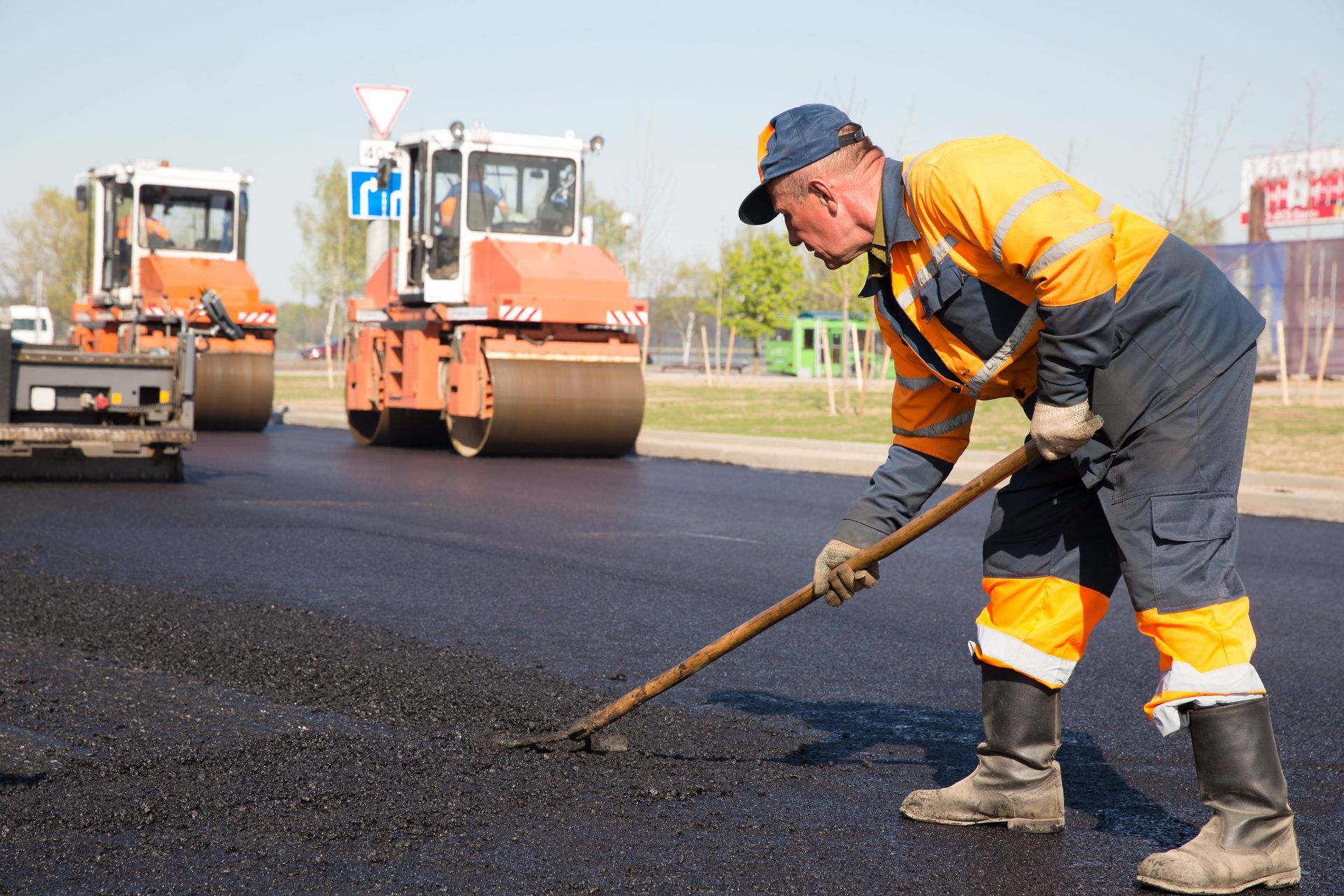
Efficiency in construction requires seamless coordination between material logistics, equipment operation, and labor management. Advanced machinery speeds up site grading and aggregate spreading, reducing project downtime and labor overhead. Effective project management ensures that site preparation moves smoothly, preventing costly delays and material waste on site. Reducing operational disruptions benefits commercial businesses and municipalities that require reliable, rapid project completion. Prioritizing foundation quality aligns project management efficiency with long-term financial stewardship and surface reliability.
Deploying Modern Machinery and Automation
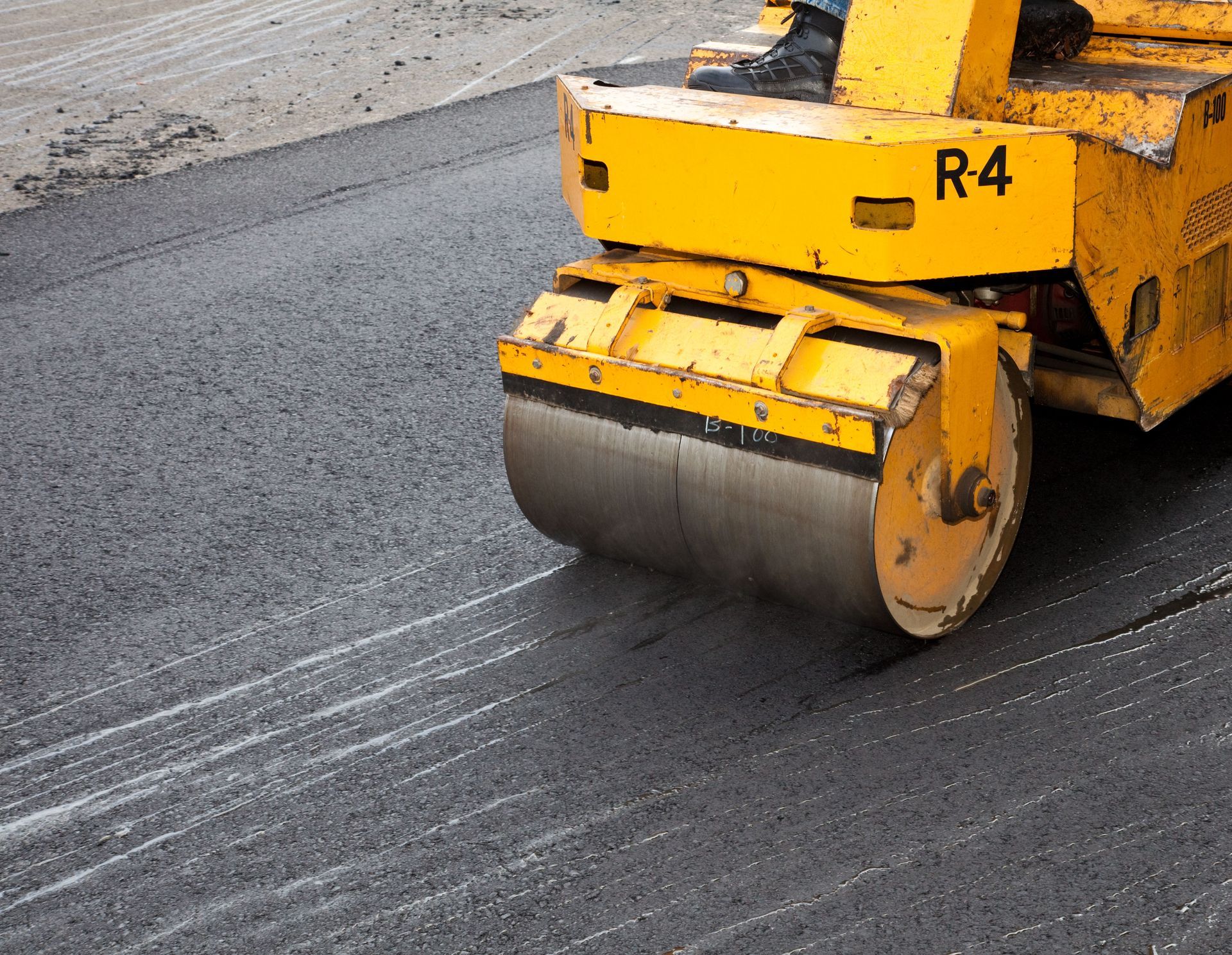
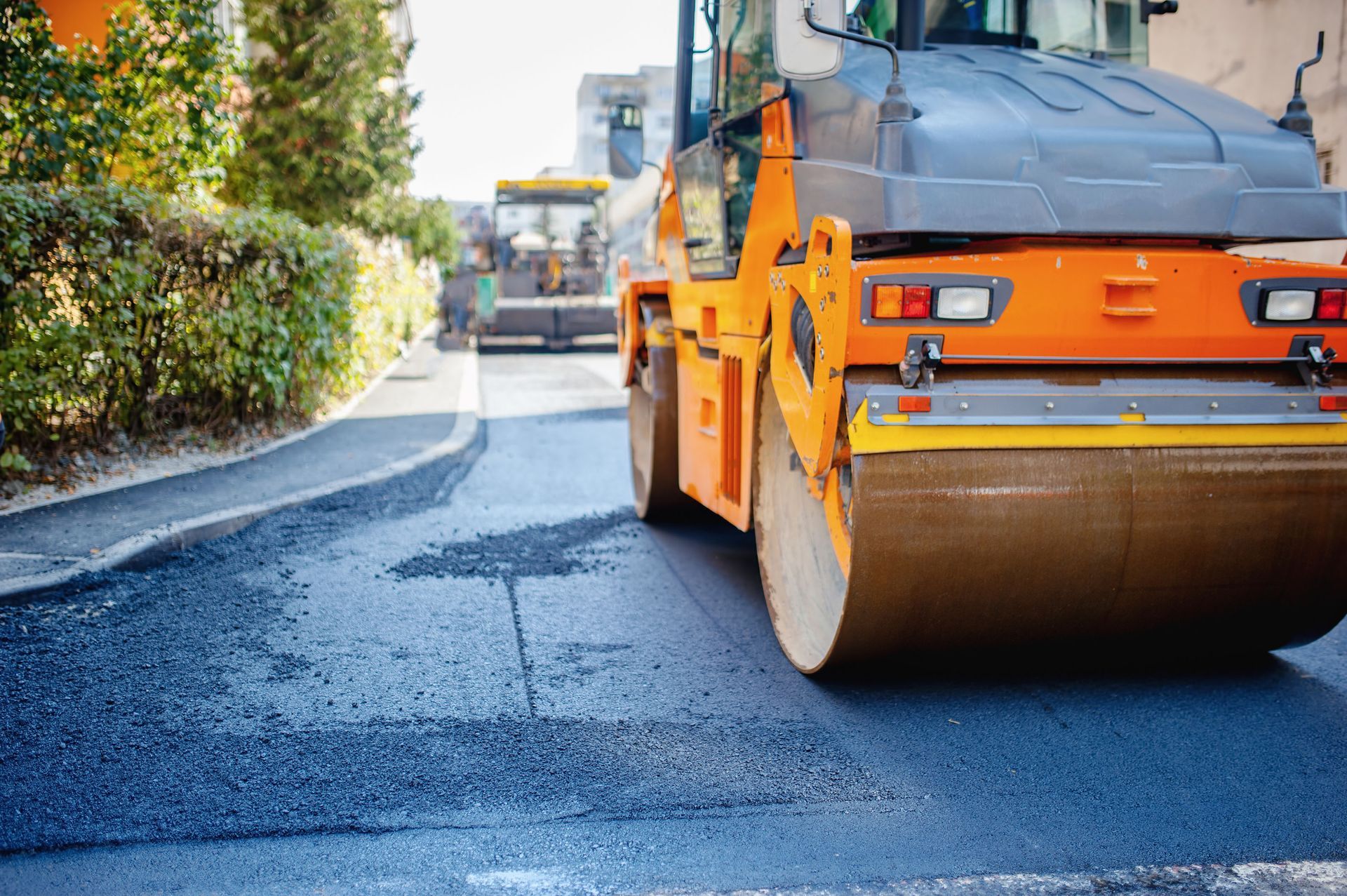
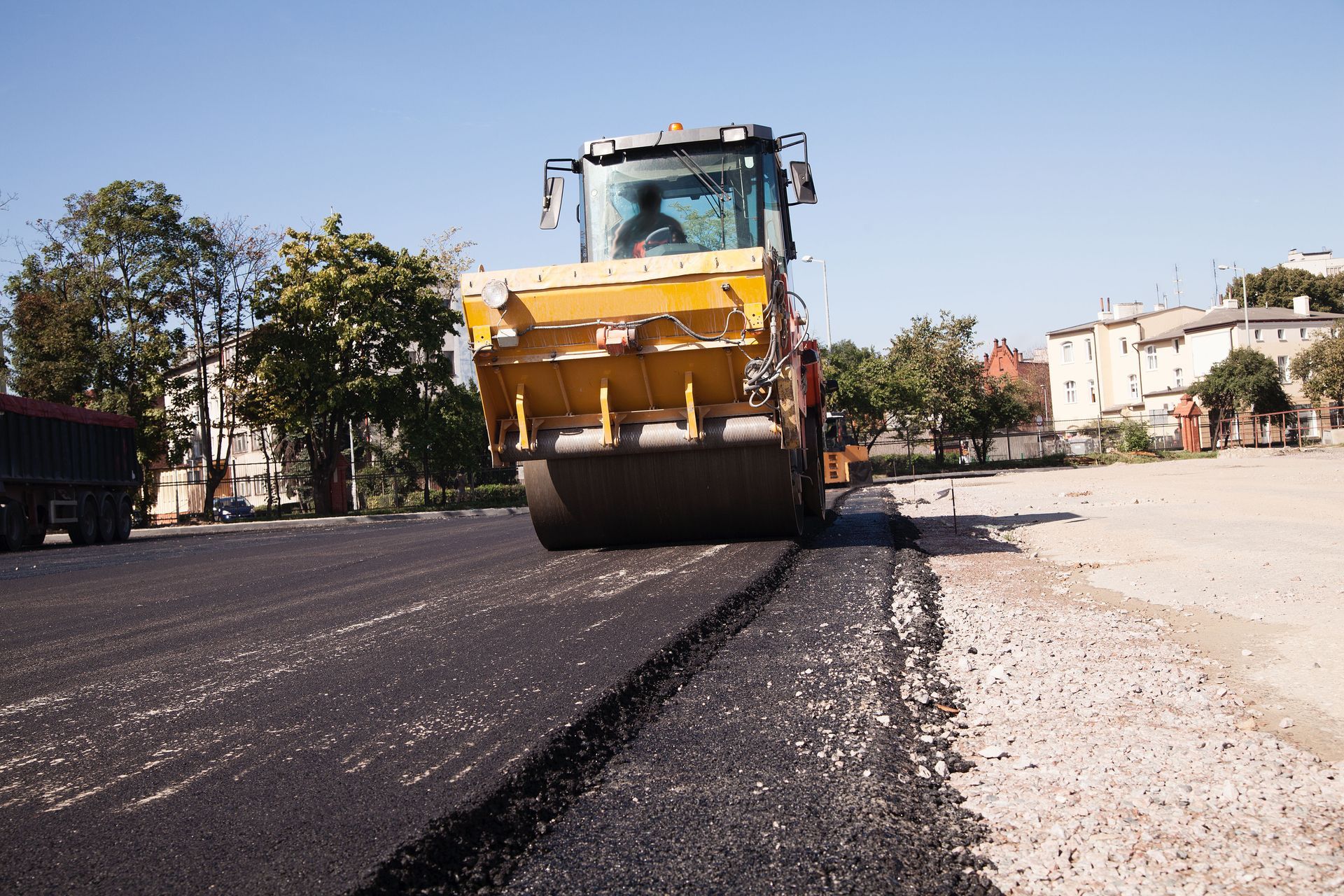
Modern heavy equipment plays a pivotal role in achieving exact grading profiles and optimal material density. Motor graders, dual-drum rollers, and specialized soil compactors provide the physical power needed to prepare large sites efficiently. Intelligent compaction systems offer real-time feedback to operators, confirming that optimal density is achieved across every pass. Utilizing state-of-the-art machinery enhances jobsite safety while ensuring consistent quality across complex structural installations. Modern equipment technology has transformed subgrade preparation into a precise, scientific discipline.
Automation continues to advance subgrade preparation through automated grade controls and GPS-guided grading systems. Automated machinery adjusts blade heights continuously, guaranteeing precise contours and effective water runoff control. These automated tools streamline field operations, reduce material waste, and eliminate guesswork during initial excavation and grading phases. Working with an equipped paving company ensures that advanced technology is leveraged for superior jobsite results. Embracing automated machinery ensures rapid project execution while maintaining strict adherence to civil engineering standards.
Base preparation remains the essential foundation behind every durable, high-performing paved surface. Proper ground evaluation, meticulous material selection, and rigorous compaction techniques prevent premature failure and costly repairs. Prioritizing groundwork protects surface investments, ensuring smooth, safe travel for vehicles across commercial, industrial, and residential sites. Understanding the complex mechanics beneath the surface helps property owners appreciate the true value of professional site preparation.
Achieving lasting results requires experienced professionals who understand local soil dynamics, aggregate selection, and advanced compaction technology. Selecting a reputable paving company guarantees that every layer of your project receives meticulous attention to detail from excavation to final rolling. Thorough preparation safeguards structural investments, delivering smooth, durable surfaces that withstand severe weather and continuous heavy traffic. Reach out to our team at Cooper Bros Asphalt Paving Inc today to discover how we can deliver superior, long-lasting pavement solutions for your next project.

Share On: