Paving Contractor: Permeable Paving vs. Traditional Pavement
October 23, 2026 By Howard Cooper
In the ever-evolving world of construction and infrastructure development, choosing the right paving solution has become essential for long-term project success. The modern age has seen a notable shift from conventional surfaces toward more innovative, environmentally friendly options that handle rainwater directly on-site. When planning any major surface construction, hiring a qualified paving contractor ensures that your project meets both local municipal standards and heavy performance demands. Deciding between permeable surfaces and traditional asphalt requires looking at long-term maintenance, total material costs, and site-specific environmental factors. By working with an experienced paving contractor, property owners can evaluate their terrain to determine whether standard dense asphalt or a water-porous design provides the best structural outcome. Moreover, integrating cutting-edge technology into the selection process can result in more cost-effective and sustainable paving solutions.
Examine the Characteristics of Permeable Paving Materials
Permeable paving includes a variety of specialized materials designed specifically to let rainwater pass through the surface directly into the ground soil beneath. A professional paving contractor often installs porous asphalt, pervious concrete, or interlocking permeable unit pavers to mitigate heavy stormwater runoff in dense urban settings. Porous asphalt features an open-graded aggregate mix that omits fine materials, creating interconnected void spaces that allow water to flow freely downward. Pervious concrete operates on a similar structural principle, relying on coarse aggregates bound together without fine sand to maintain continuous vertical channels. Interlocking concrete pavers rely on specially engineered stone-filled gaps between individual blocks to capture severe rainfall and guide it safely toward sub-base storage zones. These materials don't just manage water efficiently; they also enhance aesthetic appeal and contribute positively to urban landscape designs.
Explore the Functional Advantages of Traditional Asphalt
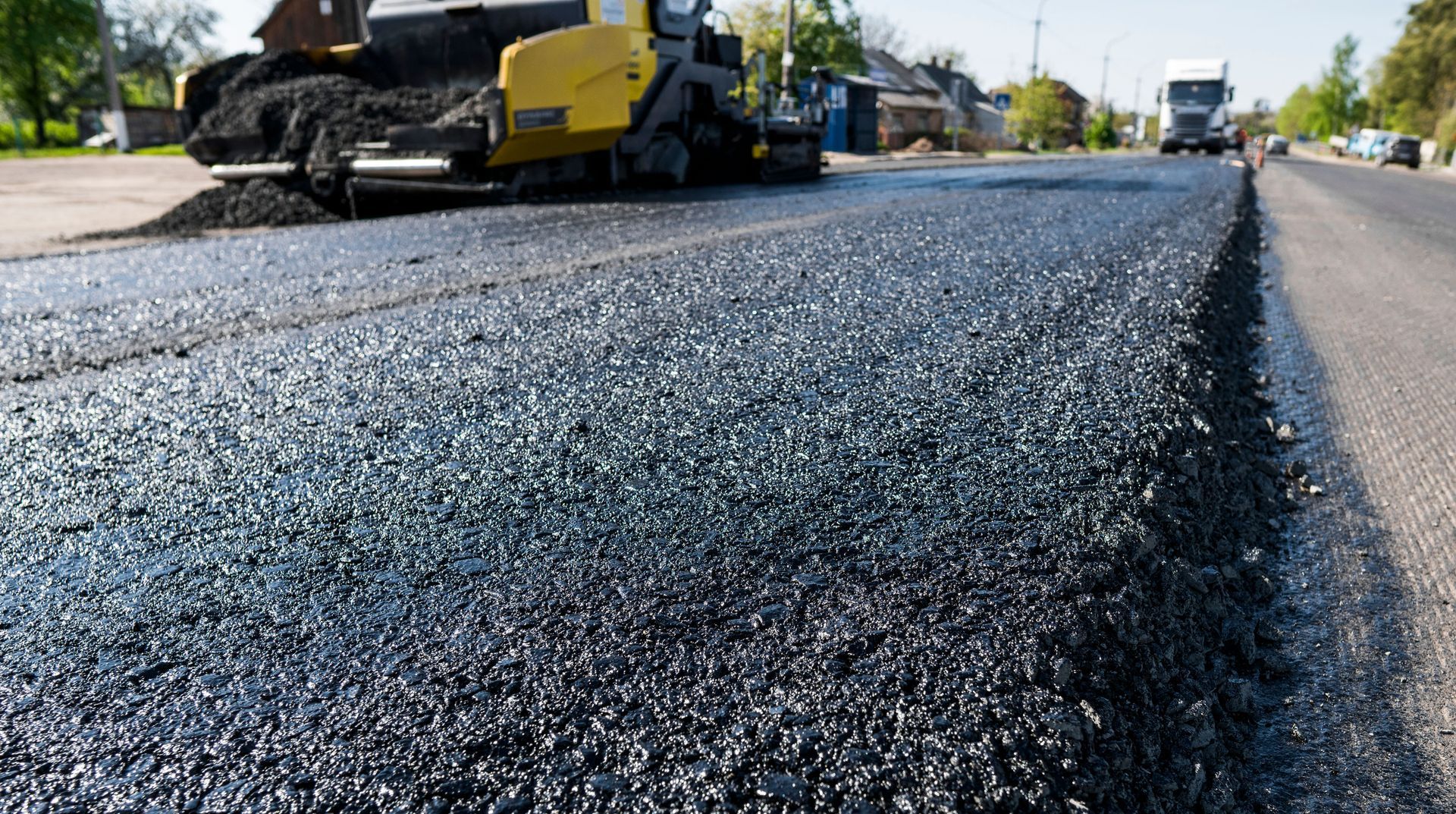
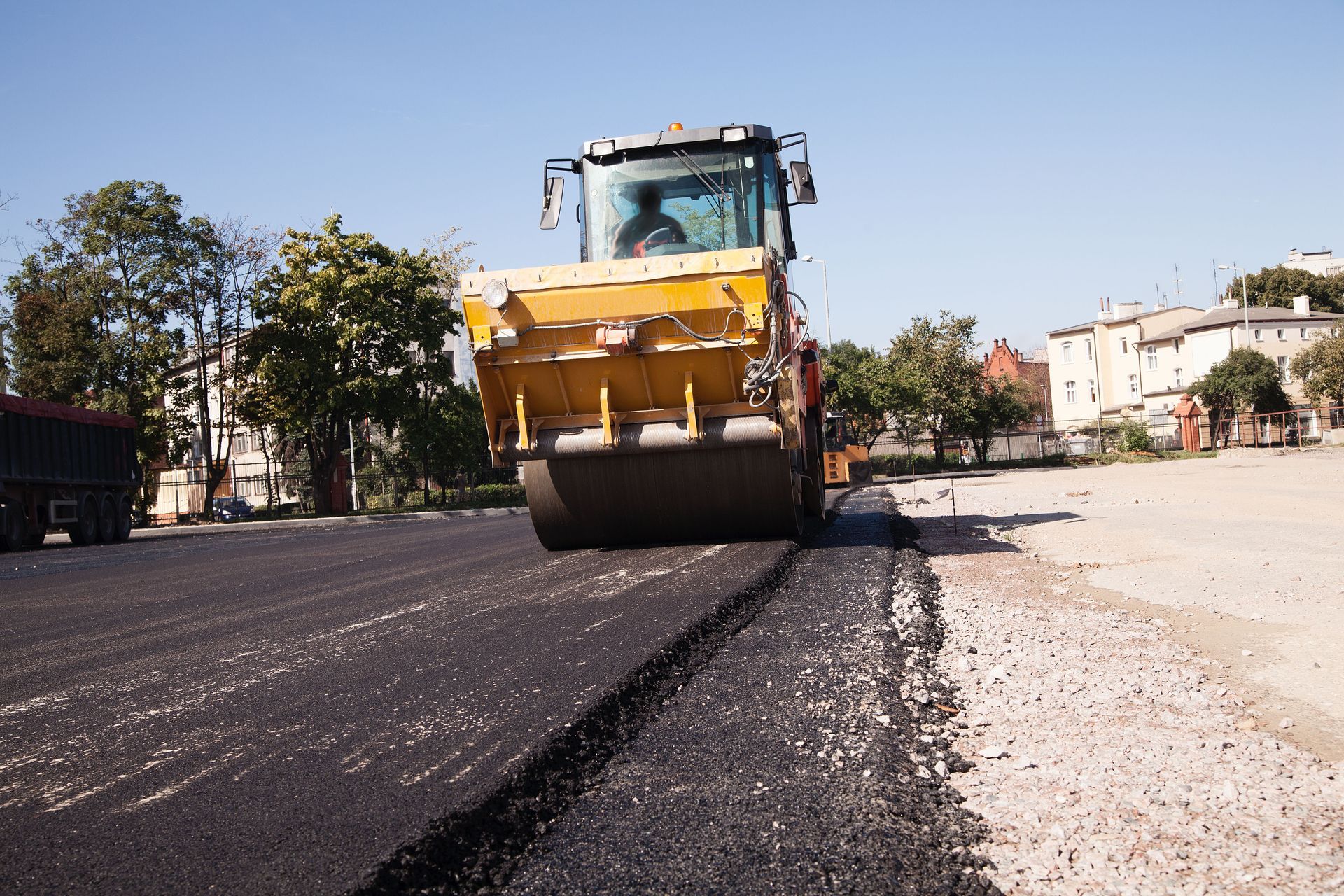
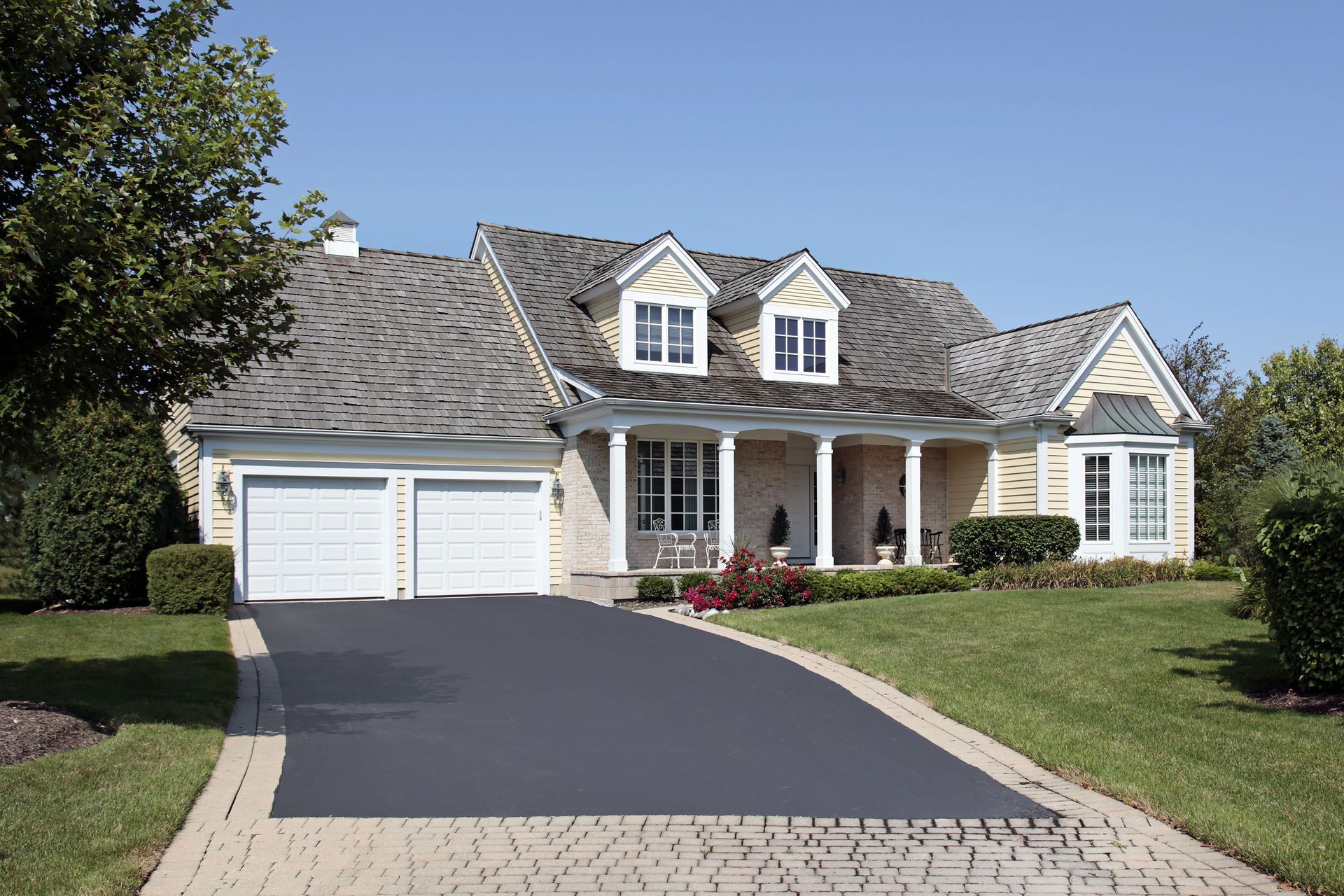
Traditional asphalt remains the primary choice for primary roadways, high-traffic commercial zones, and residential driveways across the nation. A seasoned paving contractor utilizes dense-graded hot mix asphalt to build smooth, seamless surfaces capable of supporting heavy vehicular loads over many years. Standard asphalt relies on bitumen binder mixed thoroughly with carefully graded aggregate fractions to create an impervious, flexible surface mat. This engineered flexibility allows standard asphalt pavement to withstand fluctuating seasonal temperatures without immediate structural failure or massive deep surface cracking. Furthermore, traditional asphalt surfaces present lower upfront material costs and simpler installation procedures compared to complex permeable underground retention systems. Additionally, its proven durability has made it a preferred option in various climate conditions across the globe. In some regions, traditional asphalt is preferred due to its compatibility with other existing roadway systems, facilitating seamless maintenance and repairs.
Analyze Long-Term Environmental and Hydraulic Impacts
Permeable paving systems provide exceptional stormwater management benefits by capturing localized runoff and restoring natural underground hydrological cycles. By allowing severe rainfall to filter directly through the pavement surface, these eco-friendly systems drastically reduce local flooding and soil erosion risks. Traditional impervious pavements direct all surface rainwater into local storm sewers, which can overwhelm municipal drainage networks during sudden downpours. According to research published by PS Market Research, the asphalt market size in the United States was valued at $32.6 million in 2024, and will grow at a CAGR of 6.3% from 2025 to 2032. Working alongside an expert contractor helps commercial property owners meet strict local environmental mandates while maintaining clean groundwater filtration. This also ensures compliance with evolving environmental legislation and contributes to the overall resilience of urban infrastructure. Innovations in permeable technology continue to evolve, offering improved performance in managing water quality and fostering sustainable urban development.
Compare Installation Requirements and Base Site Preparation
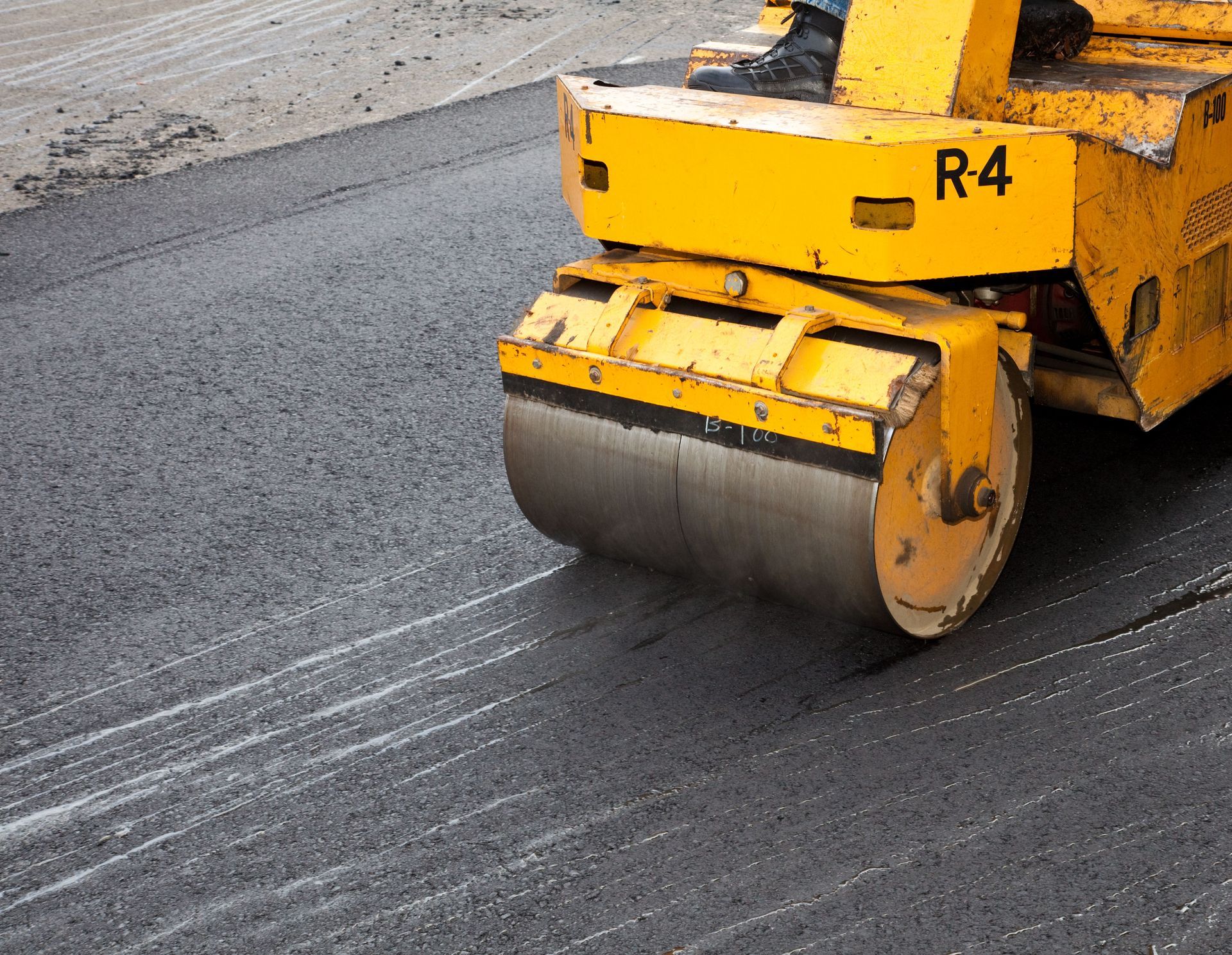
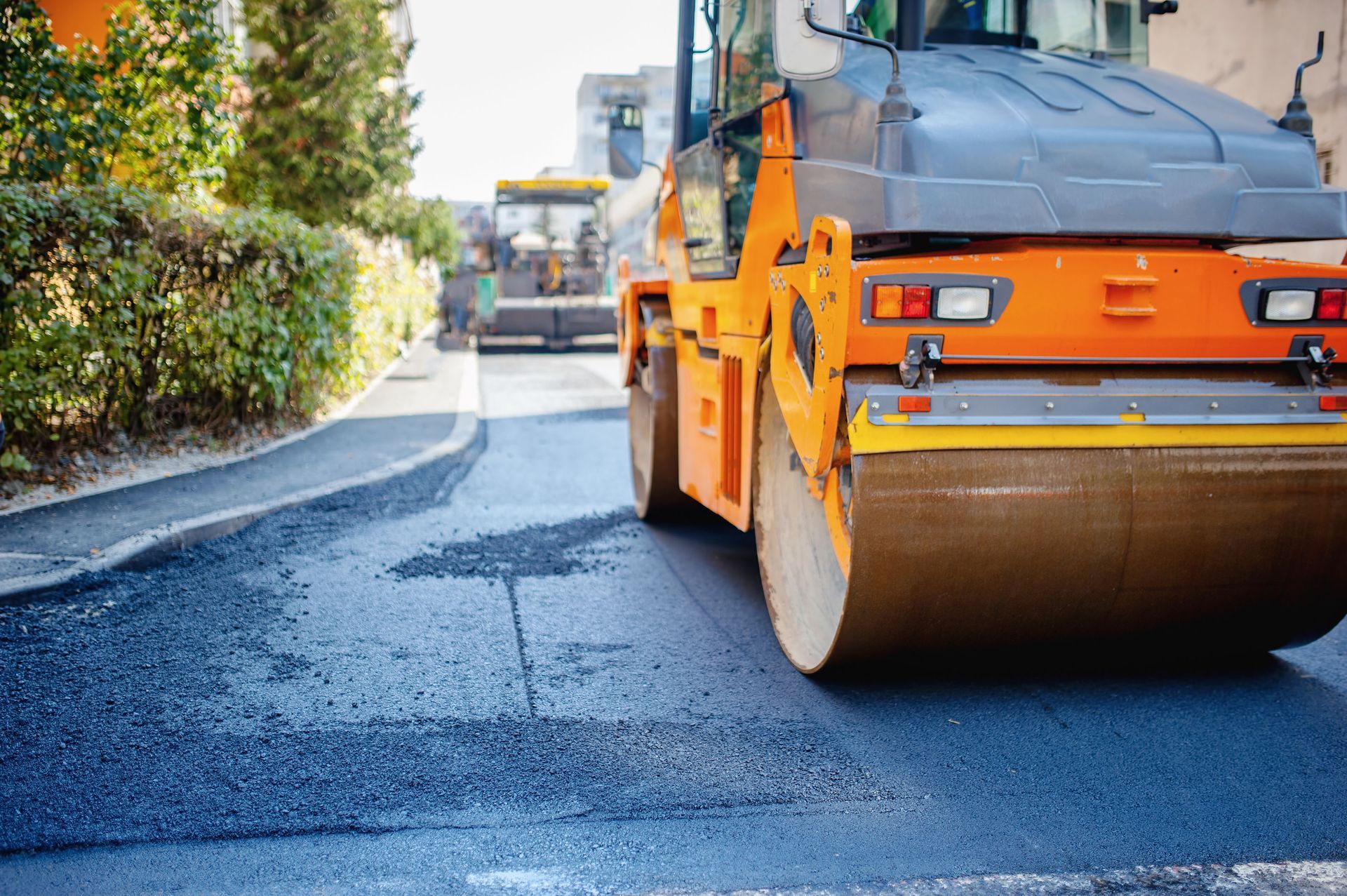
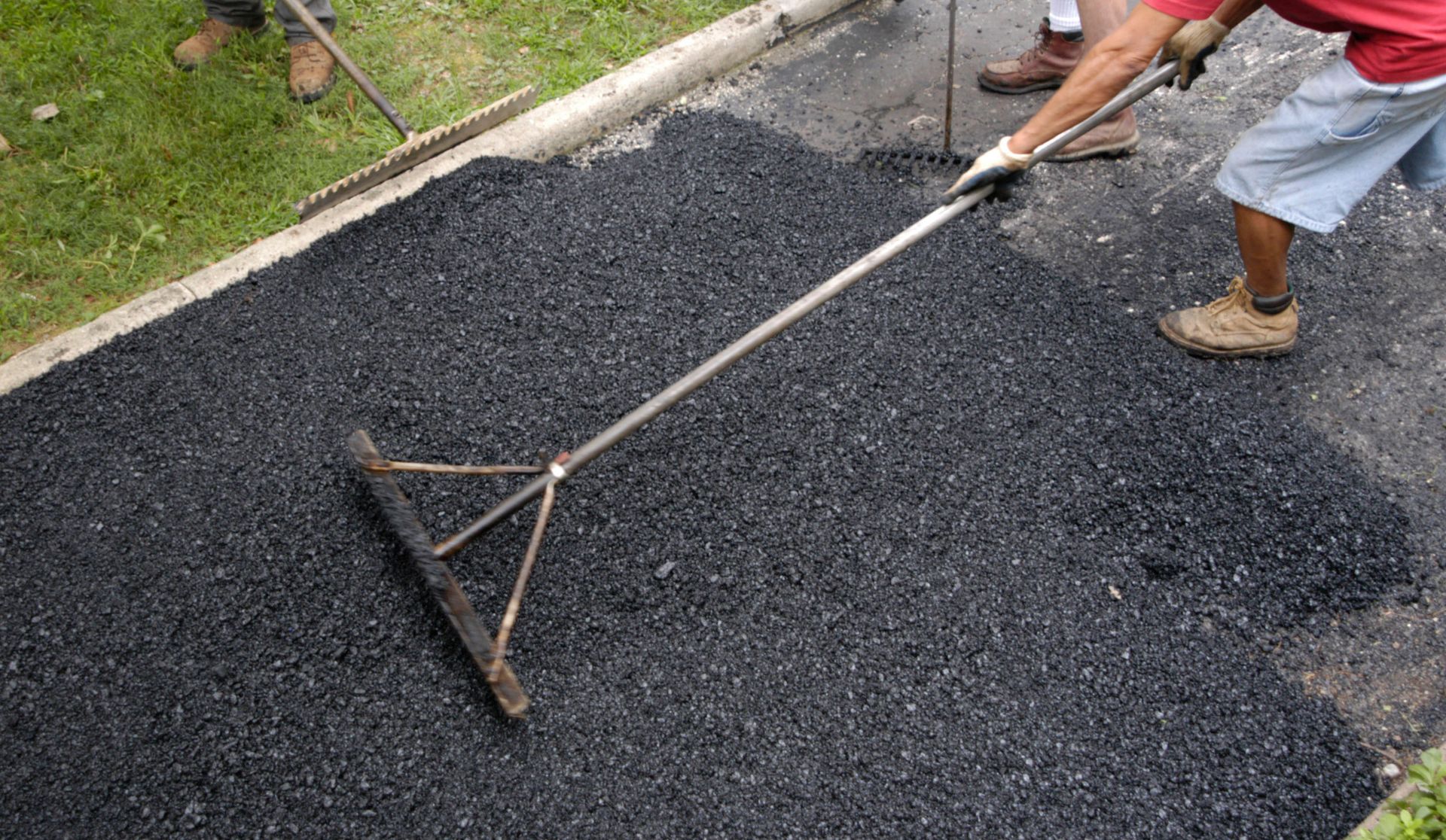
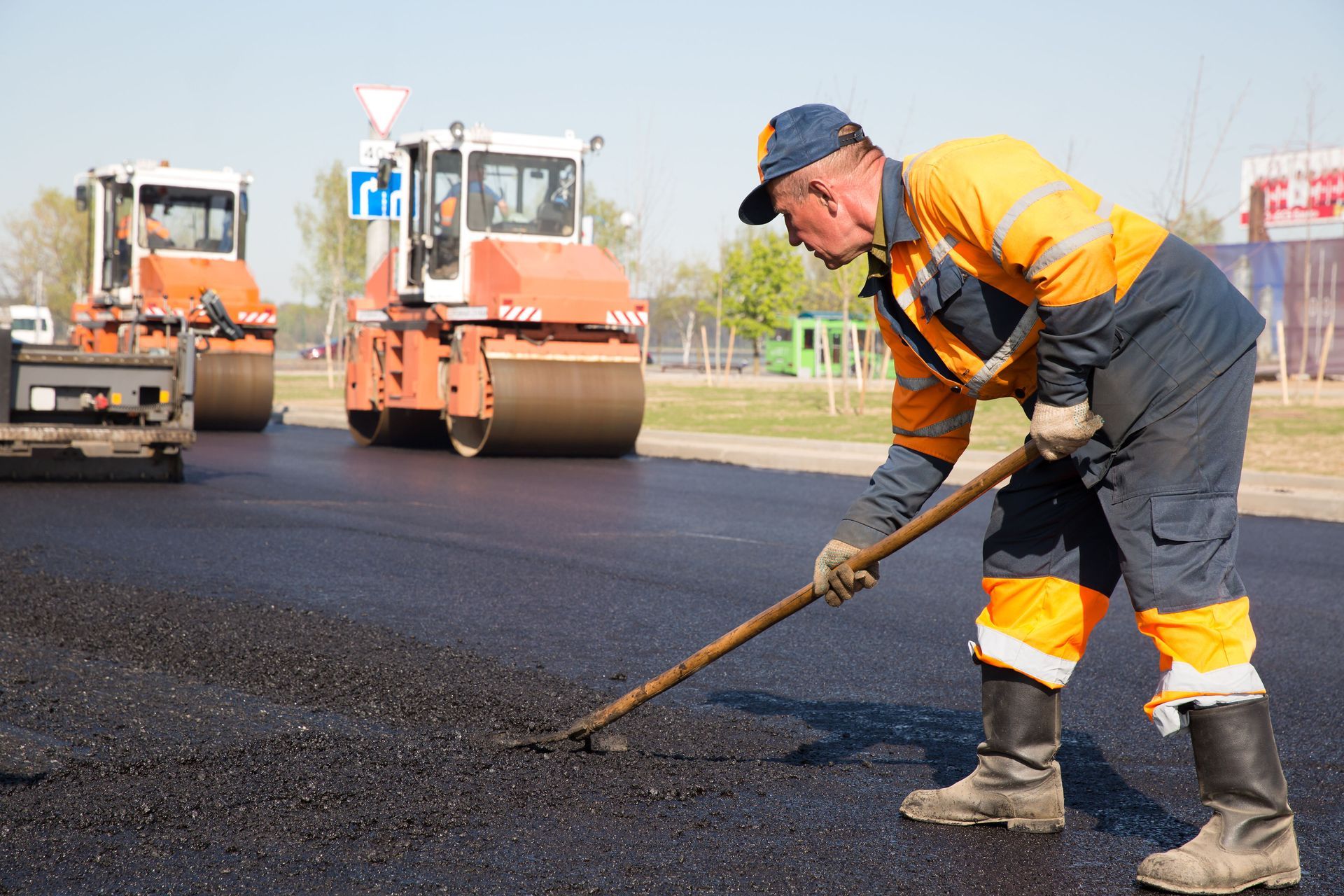
Installing permeable pavement systems requires extensive excavation and precise sub-base aggregate layering to establish adequate water storage capacity beneath the surface. A certified paving contractor must test local soil infiltration rates beforehand to guarantee that the underlying subgrade can properly absorb accumulated water. The base layers for permeable systems consist of washed, open-graded crushed stone aggregates that create deep underground reservoirs without sacrificing load support. Conversely, traditional asphalt installation focuses heavily on subgrade compaction, dense crushed stone sub-bases, and precise asphalt laydown temperatures. Traditional installation processes take less overall labor time, which keeps initial project budgets lower for standard residential driveways and commercial parking lots. Each installation method demands specific skills and expertise, emphasizing the importance of selecting experienced contractors who can adapt the installation to varying site conditions.
Evaluate Routine Maintenance and Service Life Needs
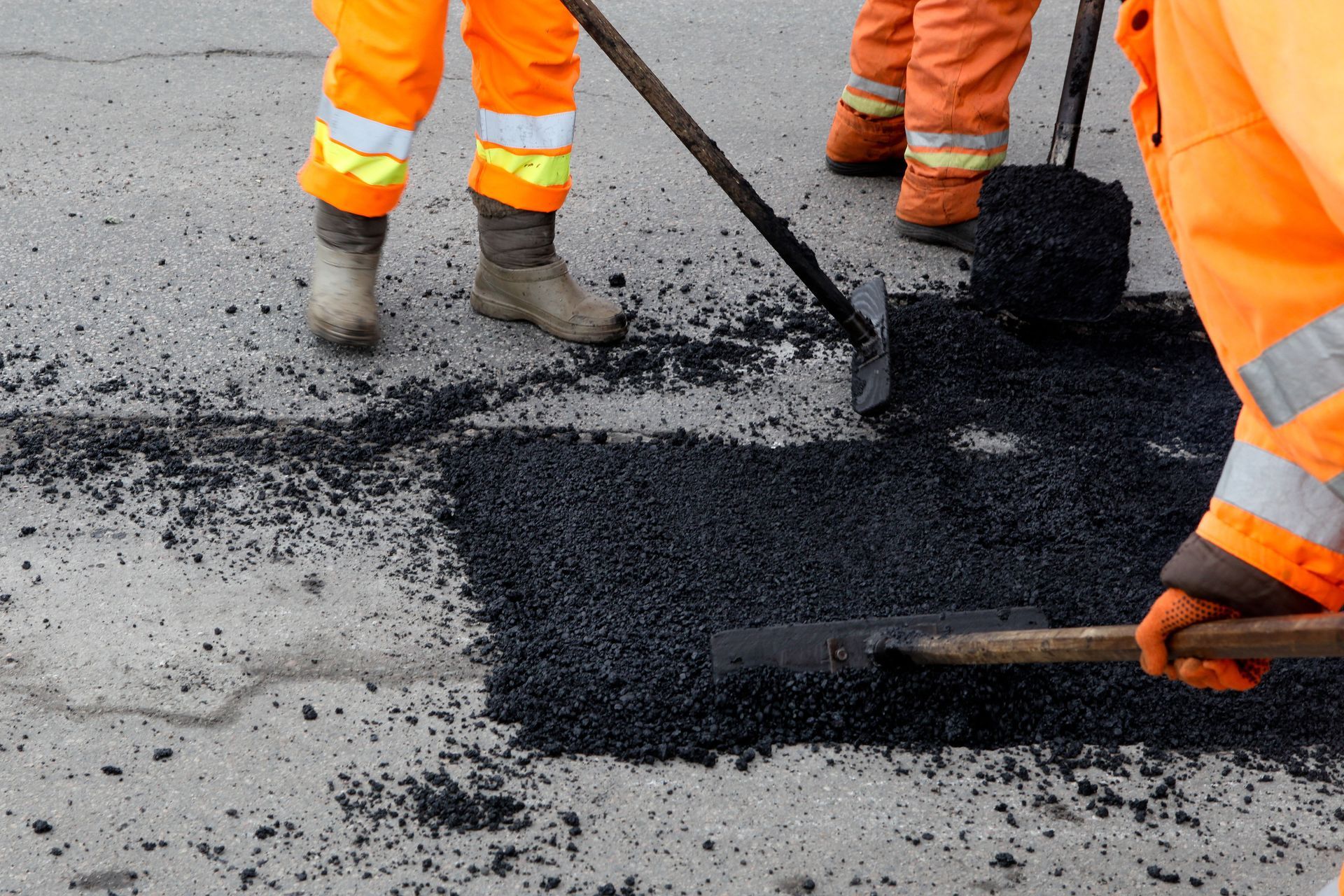
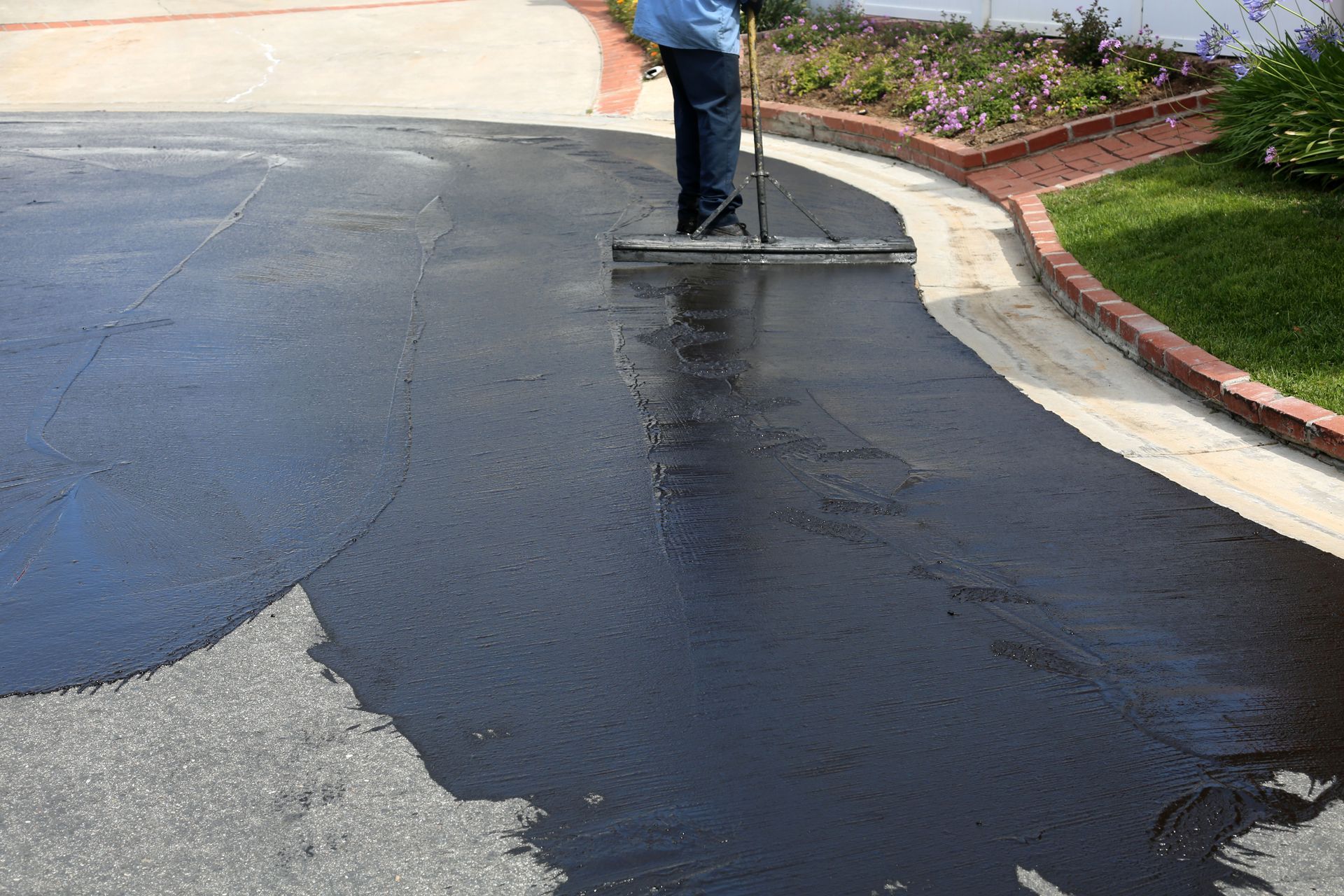
Maintaining a permeable surface requires specialized, periodic vacuum sweeping to remove organic debris, dirt, and fine silt from clogging the surface voids. Without regular high-pressure vacuuming, permeable surfaces gradually lose their water infiltration capability and begin accumulating standing water. Traditional asphalt surfaces require regular sealcoating applications every few years to protect the petroleum binder from oxidation and water penetration. A dedicated contractor applies protective sealcoats, fills surface cracks early, and performs asphalt patching to maximize structural service life. While traditional asphalt requires ongoing surface maintenance, its overall repair techniques are straightforward, fast, and widely supported by standard industry equipment. It is crucial to establish a comprehensive maintenance plan to preserve the functionality and aesthetics of your chosen surface type effectively. Advances in maintenance technology, such as automated cleaning systems for permeable pavements, are emerging to optimize long-term performance and minimize manual intervention.
Review Budget Factors and Total Overall Ownership Costs
Upfront project budgets often dictate whether a property owner chooses a modern permeable installation or a standard asphalt surface. Permeable paving typically demands a higher initial investment due to specialized open-graded aggregates, deep site excavation, and technical installation labor. Traditional asphalt offers lower immediate material expenses and faster installation cycles, making it highly cost-effective for vast parking lots and extended residential driveways. However, permeable systems can offset their higher initial price tag by eliminating the need for expensive surface retention ponds, storm drains, and extensive pipe networks. Consulting an experienced paving contractor allows property owners to analyze total long-term site development costs before making a final surface selection.
Select the Right Surface for Your Specific Project
Choosing the optimal paving material depends entirely on your site's soil type, heavy traffic expectations, local municipal codes, and immediate budget constraints. Permeable paving works exceptionally well for pedestrian plazas, overflow parking areas, low-speed residential driveways, and environmentally sensitive commercial properties. Traditional asphalt remains the ultimate choice for heavy-duty commercial parking spaces, high-speed roadways, loading docks, and standard private driveways. Partnering with a reliable paving contractor guarantees that your surface receives proper site preparation, precise material mix selection, and expert installation craftsmanship. By carefully balancing environmental advantages against upfront installation costs, you can select the perfect pavement solution that delivers lasting durability and exceptional visual appeal. Choosing the right material can also enhance the sustainability and resilience of your project under varying climate conditions. A thorough understanding of each option's impact on long-term property value should guide the decision-making process for achieving both functional and economic objectives.
When you are ready to upgrade your commercial or residential property with durable, high-quality surfaces, working with proven industry experts is essential. The experienced team at Cooper Bros Asphalt Paving Inc brings decades of hands-on expertise, state-of-the-art equipment, and comprehensive property solutions to every single project. As a fully licensed and insured paving contractor, they provide a wide range of services, including high-grade asphalt paving, custom driveway construction, and professional commercial sealcoating across a broad service area. Contact Cooper Bros Asphalt Paving Inc today to schedule a site evaluation and claim your free quote backed by robust warranty protection for your next project.
Share On: