
Paving Services for Historic Properties: Preserving Charm While Modernizing
April 16, 2026 By Howard Cooper
Historic properties offer a unique glimpse into the past. Their architecture, pathways, and surrounding landscapes often reflect the craftsmanship and cultural influences of earlier generations. Maintaining these spaces requires careful attention, especially when infrastructure improvements become necessary. Upgrading surfaces and walkways while protecting historical character calls for thoughtful planning and skilled paving services that respect the property's legacy.
Modern property owners and caretakers must balance durability, accessibility, and preservation standards when planning pavement improvements. By combining historical research, structural assessments, and appropriate materials, paving services can enhance safety and functionality without compromising historic charm. Thoughtful restoration allows historic locations to remain useful, attractive, and welcoming while continuing to represent the stories embedded in their design.
Preserving Historic Character While Improving Infrastructure
Maintaining the visual identity of historic properties is often the most important goal during improvement projects. Many historical districts operate under preservation guidelines that regulate the types of materials, colors, and designs allowed during renovations. These guidelines exist to protect the character of older buildings and landscapes while allowing necessary maintenance to occur. When paving improvements are needed, working within these standards ensures that new surfaces complement the property's established appearance. Following these rules also helps maintain the architectural harmony that defines many historic districts and prevents modern upgrades from disrupting the surrounding environment.
Experienced paving services understand the importance of maintaining visual continuity. Instead of replacing traditional elements with completely modern surfaces, contractors often replicate historic layouts, patterns, and textures. For example, pathways may maintain original alignments while being rebuilt with updated materials that provide greater durability. This approach preserves historical authenticity while improving long-term performance. Careful planning may also involve matching historic colors, recreating edging details, or preserving the scale and spacing of original walkways to maintain the character of the space.
Collaboration also plays an important role. Preservation specialists, architects, and engineers may all contribute to the planning process. Their input ensures that new paving work respects the cultural significance of the site while still addressing modern safety standards and visitor accessibility needs. By combining technical expertise with historical awareness, project teams can develop solutions that strengthen infrastructure while protecting the visual legacy of the property.
Assessing Existing Pavement Conditions Before Starting Work
Every historic paving project begins with a detailed inspection of the existing surfaces. Over time, weather exposure, shifting foundations, and natural aging can cause cracking, sinking, or uneven pavement. These issues not only reduce visual appeal but may also create safety concerns for visitors and residents. A thorough structural evaluation helps determine whether repair, resurfacing, or full replacement is the best course of action. Understanding the condition of the existing pavement also helps contractors avoid unnecessary demolition that could disturb nearby historic structures or landscaping.
Professionals performing paving services typically examine drainage patterns, foundation stability, and material integrity. Older properties sometimes contain outdated paving layers that no longer support modern traffic loads. Identifying these weaknesses early allows contractors to develop solutions that strengthen the surface while protecting surrounding historical structures. Advanced inspection methods may also reveal hidden damage beneath the surface, allowing teams to address deeper issues before they worsen.
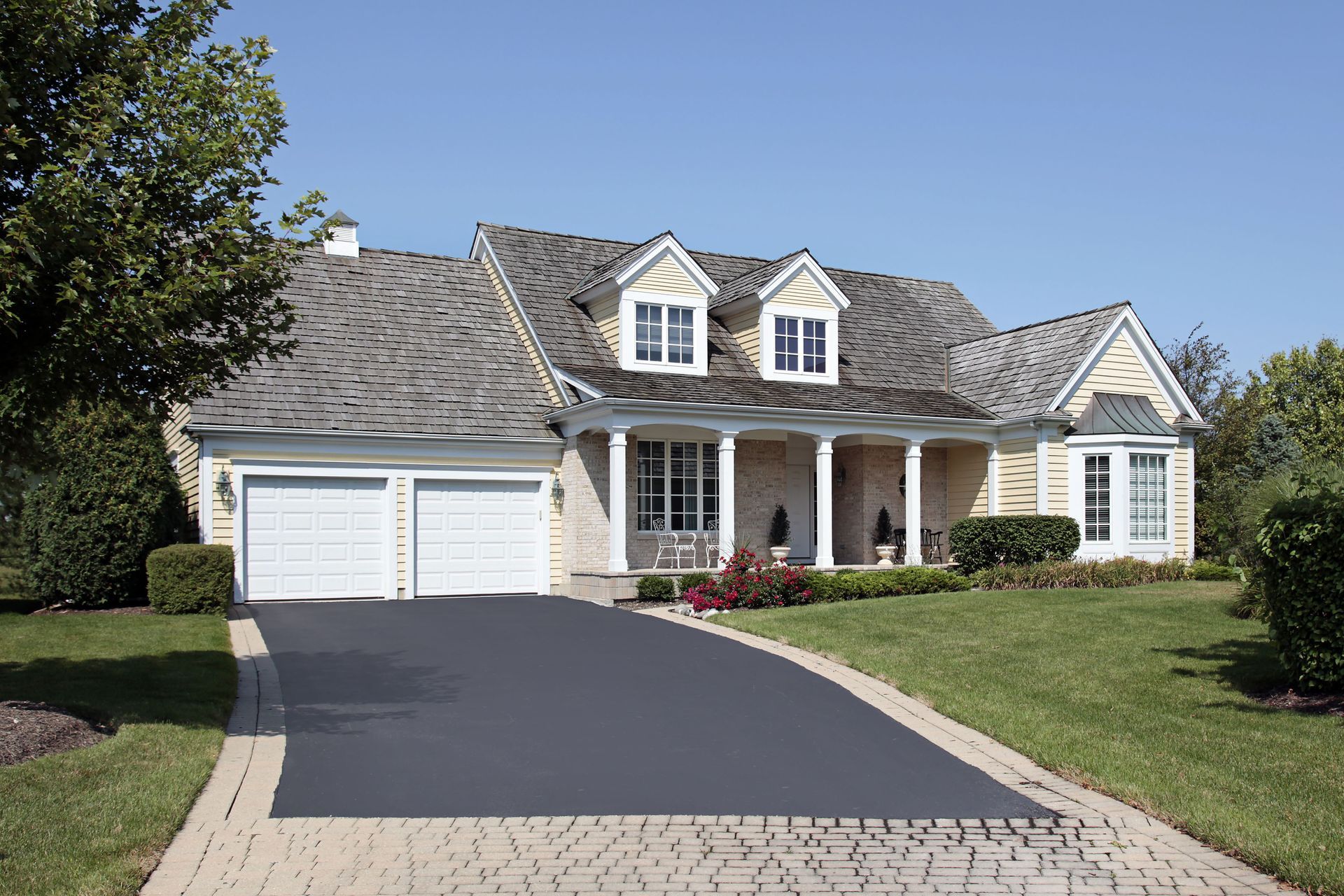
Durability also plays an important role in the planning process. According to A-1, an asphalt driveway typically lasts between 15 and 20 years. This lifespan highlights the importance of proper installation and ongoing maintenance to extend pavement performance while reducing the need for frequent reconstruction on historically sensitive properties. Careful evaluation ensures that improvements are designed to last while minimizing disruption to the property's historic setting.
Selecting Materials That Complement Historic Design
Material selection significantly influences the success of any historic paving project. Traditional materials such as stone, brick, or early concrete mixes may have defined the property's original appearance. While these materials often provide strong aesthetic value, they may not always meet modern performance expectations without reinforcement or modification. Choosing compatible materials helps maintain the historic feel of the property while ensuring surfaces remain reliable for daily use.
Modern paving services frequently use advanced materials designed to replicate historic appearances while improving strength and longevity. Decorative asphalt blends, textured concrete, and engineered pavers can closely resemble traditional surfaces while offering improved resistance to weather, vehicle traffic, and long-term wear. These options allow property owners to retain historic charm without sacrificing durability. In many cases, modern manufacturing techniques can recreate the visual character of historic materials with greater consistency and structural stability.
Sustainability is also becoming an important factor in material decisions. Permeable pavement systems and recycled aggregates can help reduce runoff and environmental impact while maintaining visual harmony with the surrounding architecture. When carefully selected, these materials contribute to both preservation goals and modern environmental standards. Thoughtful material choices ensure that historic properties remain both beautiful and environmentally responsible.
Enhancing Accessibility Without Compromising Aesthetics
Historic properties must often adapt to modern accessibility expectations. Visitors of all abilities should be able to navigate pathways safely and comfortably, which may require smoother walking surfaces, improved drainage, or slight grade adjustments. Integrating these improvements into historic landscapes requires careful design to avoid disrupting the property's visual identity. Balancing accessibility with preservation ensures that historic spaces remain inclusive without losing their unique character.
Professional paving services address accessibility challenges by incorporating subtle improvements that blend with existing features. Pathways may be widened slightly or resurfaced with smoother materials that still resemble the original construction style. Gentle grading and improved transitions between surfaces can reduce tripping hazards without altering the property's traditional appearance. Strategic planning allows these upgrades to remain nearly invisible while still delivering meaningful improvements in safety and mobility.
Thoughtful design allows historic sites to remain welcoming and functional for a wide range of visitors. By blending accessibility improvements with historically appropriate materials, paving projects can enhance safety while maintaining the character that makes these properties unique. These upgrades help historic locations remain active community spaces while respecting their architectural heritage.
Maintaining Historic Pavements Through Long-Term Care
Once restoration or upgrades are completed, ongoing maintenance becomes essential for preserving both performance and historical appearance. Even well-installed surfaces can experience wear over time due to weather exposure, tree roots, and visitor traffic. Routine inspections help identify small issues before they develop into costly structural problems. Maintaining these surfaces consistently helps preserve both safety and visual continuity.
Preventive care typically includes crack sealing, cleaning, drainage management, and periodic resurfacing. These steps extend pavement life while protecting the surrounding historic landscape. Regular maintenance also helps preserve the visual consistency that many preservation guidelines require for historic districts and properties. Addressing small repairs quickly prevents deterioration that could eventually require major reconstruction.
Reliable paving services provide maintenance strategies tailored to the specific materials and environmental conditions of each site. By maintaining surfaces consistently, property owners can extend pavement lifespan, reduce repair costs, and protect the historic character that makes these locations valuable community landmarks. Long-term care ensures that historic properties remain safe, functional, and visually authentic for years to come.
Historic properties deserve careful stewardship that protects both their appearance and their functionality. With thoughtful planning, expert consultation, and skilled paving services, property owners can upgrade walkways, driveways, and surrounding infrastructure while respecting the heritage of the site. For more information about the services that we offer, reach out to our incredible team at Cooper Bros Asphalt Paving Inc today!
Share On: