
How Professional Asphalt Contractors Ensure Long-Lasting Results
May 21, 2026 By Howard Cooper
Long-lasting pavement performance depends on careful planning, proper surface preparation, and consistent methods applied from start to finish. Roads, parking areas, and drive surfaces face constant pressure from traffic, weather, and time. Paving contractors play a central role in managing these conditions so surfaces remain stable and functional for years.
The work involved goes far beyond laying material. Each stage connects to the next, and small decisions early in the process can influence how a surface performs long-term. Paving contractors focus on these details while aligning each step with site conditions and expected use.
According to IBISWorld, 94.2% of the 2.9 million miles of paved roads in the United States are surfaced with asphalt. This widespread use highlights the importance of consistent methods and careful planning across all types of paving work. Paving contractors work within this large network of paved surfaces where durability and performance are essential outcomes.
Understanding Planning Foundations in Pavement Work
Every pavement project begins with planning that reflects site conditions and expected traffic use. Soil type, slope, water flow, and load demands all influence how a surface should be designed. Paving contractors review these factors before any physical work begins to reduce future issues.
Planning also includes evaluating how the surface will be used on a daily basis. Light vehicle areas require different support compared to heavy traffic zones. Paving contractors consider these differences when mapping out depth, structure, and layout.
Clear planning helps reduce uneven wear and surface stress. Without this stage, problems such as cracking or sinking may develop earlier than expected. Paving contractors rely on structured assessments to guide decisions that support long-term performance.
Communication during this phase is important as well. Property owners and project planners often seek professional help to understand what is realistic for each site. Paving contractors translate these expectations into practical design approaches that match conditions on the ground.
Preparing Surfaces for Long-Term Durability
Surface preparation is one of the most important steps in achieving lasting pavement performance. The condition of the base layer determines how well the surface will hold up under pressure. Paving contractors focus heavily on this stage to reduce future structural problems.
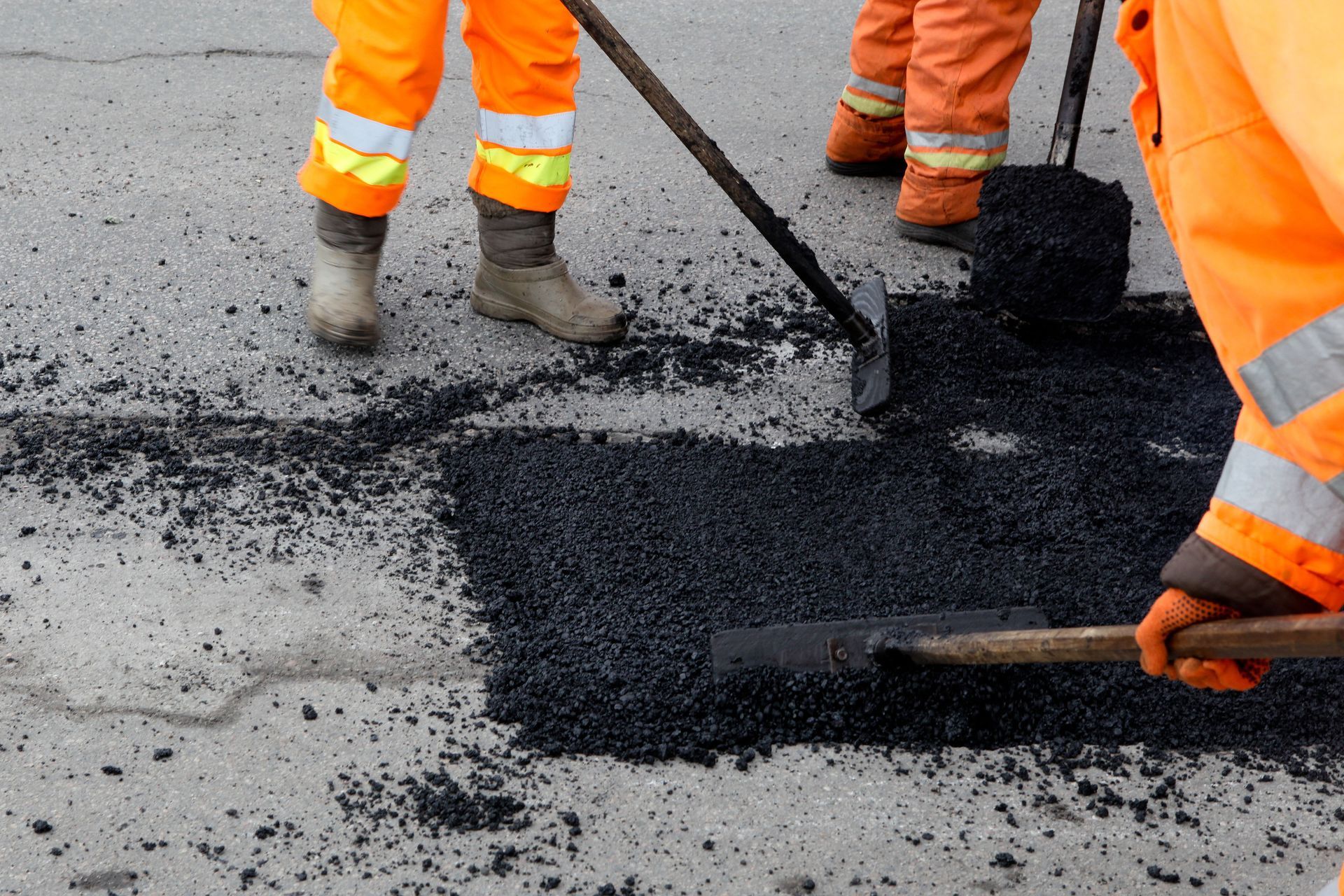
Preparation often begins with clearing and grading the area. This process helps create a stable foundation that can support weight evenly. Paving contractors evaluate soil firmness and make adjustments where needed so the base layer can perform consistently. Moisture control is also a key part of preparation. Excess water in the ground can weaken support layers over time. Paving contractors consider drainage patterns early so water movement does not undermine the structure later.
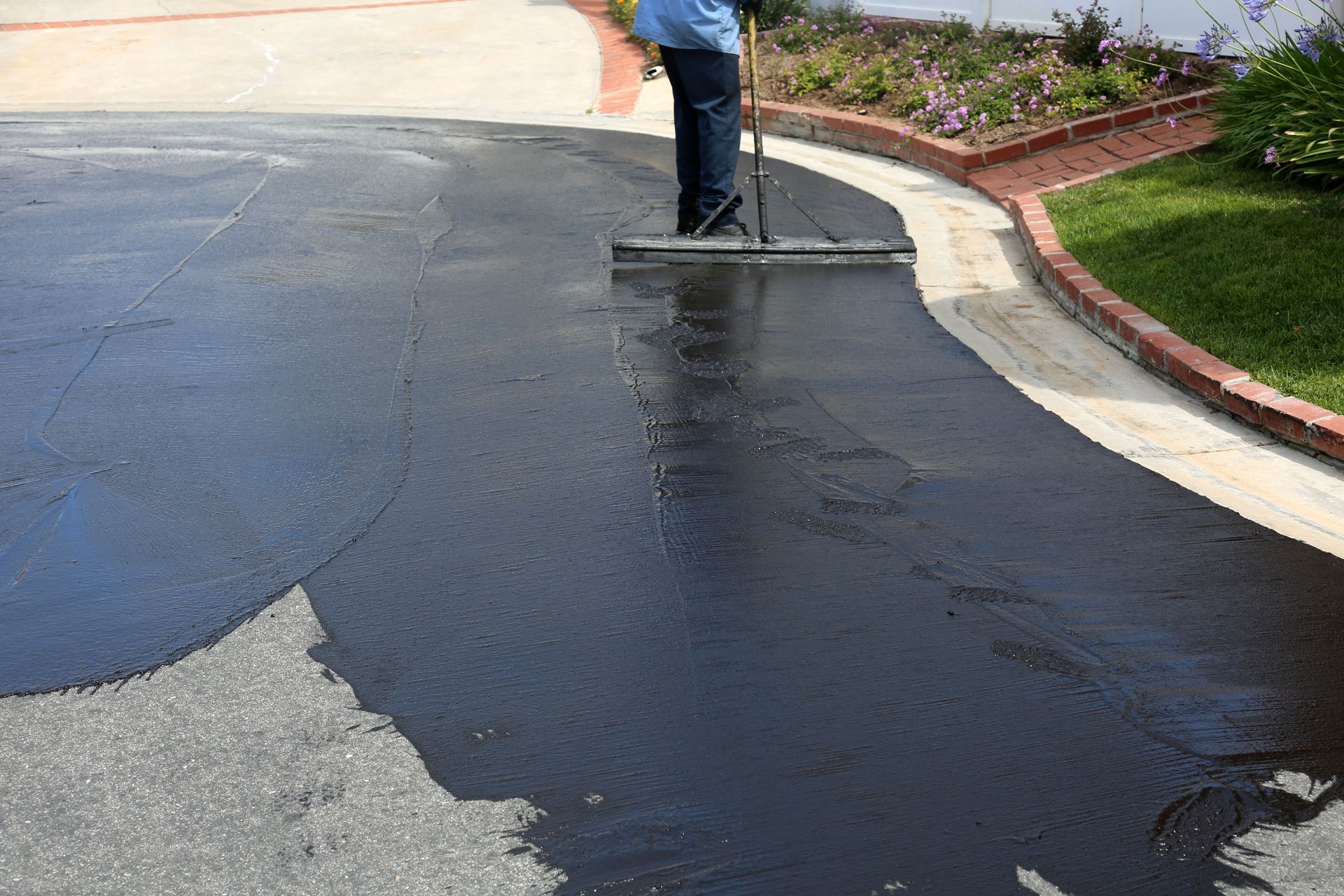
Surface preparation also includes shaping the area to match the planned flow and use. Even small changes in slope or level can influence how traffic moves across the surface. Paving contractors refine these details to help maintain balance and reduce stress points. Each of these steps supports the next stage of work. When preparation is done carefully, the finished surface has a stronger foundation and reduced risk of early damage. Paving contractors rely on this stage to set the tone for overall project success.
Applying Compaction and Layering Methods
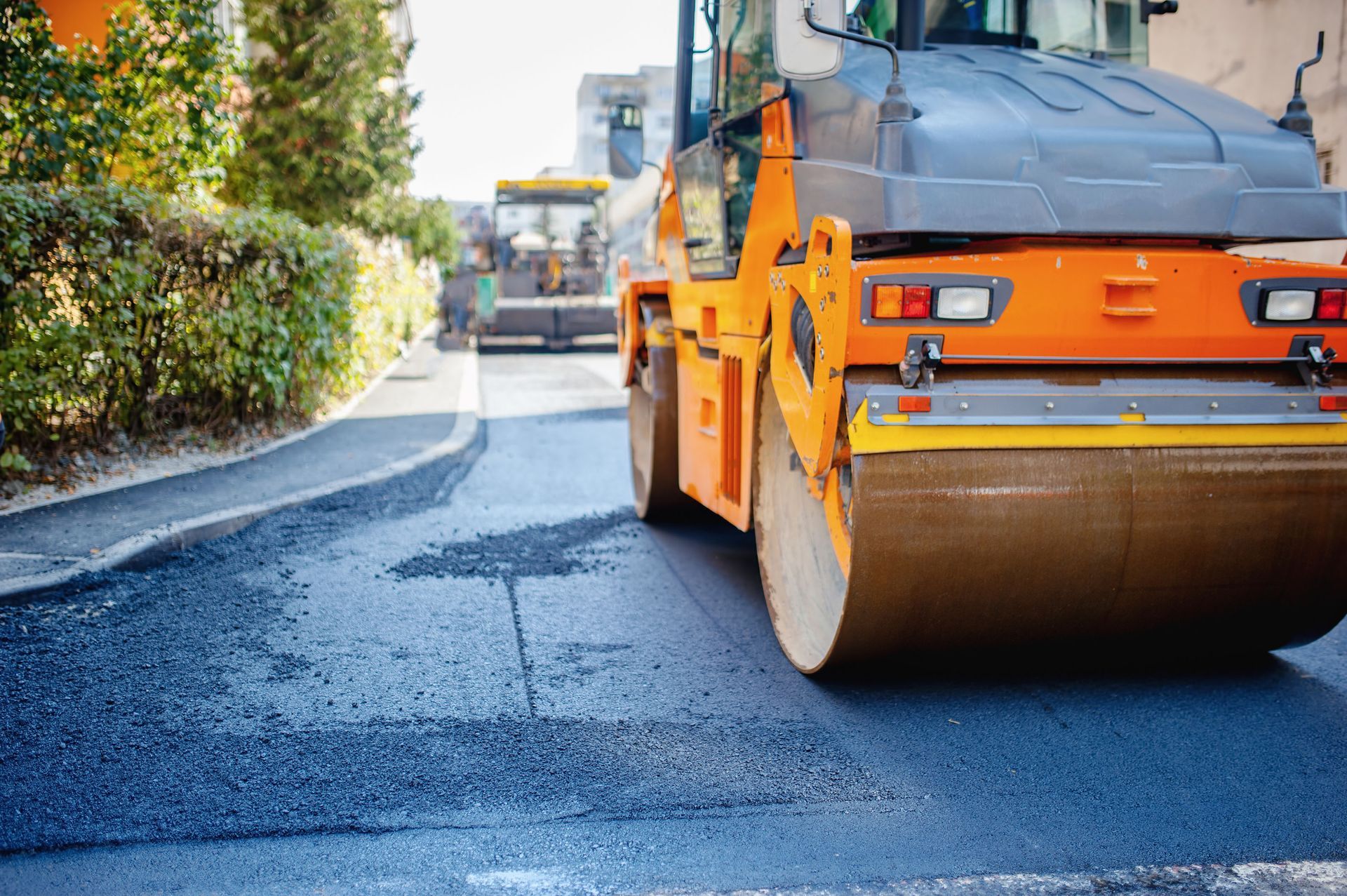
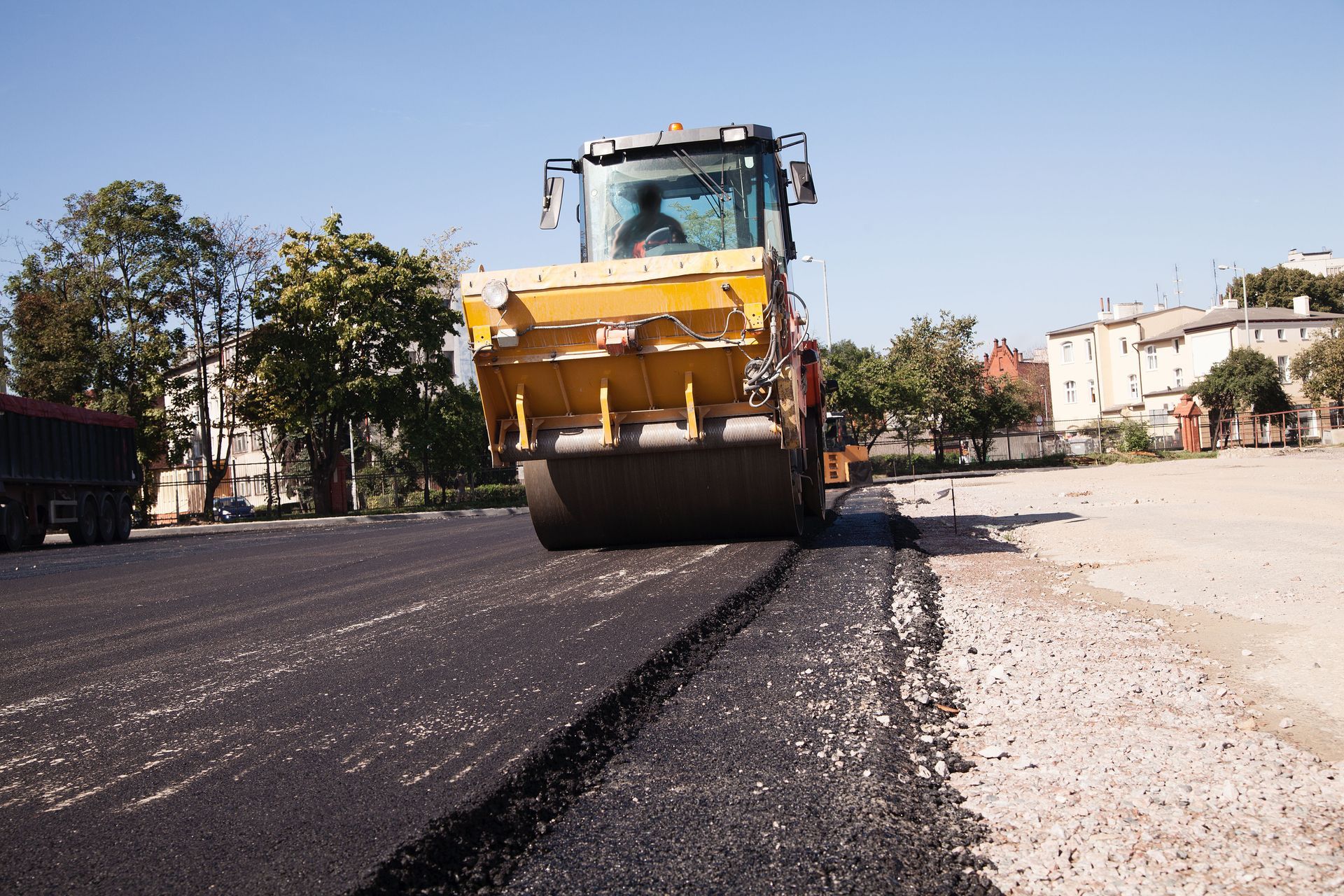
Compaction and layering are essential for creating a strong and stable surface. These processes determine how well the pavement holds together under repeated use. Paving contractors apply controlled methods to achieve consistent density and support.
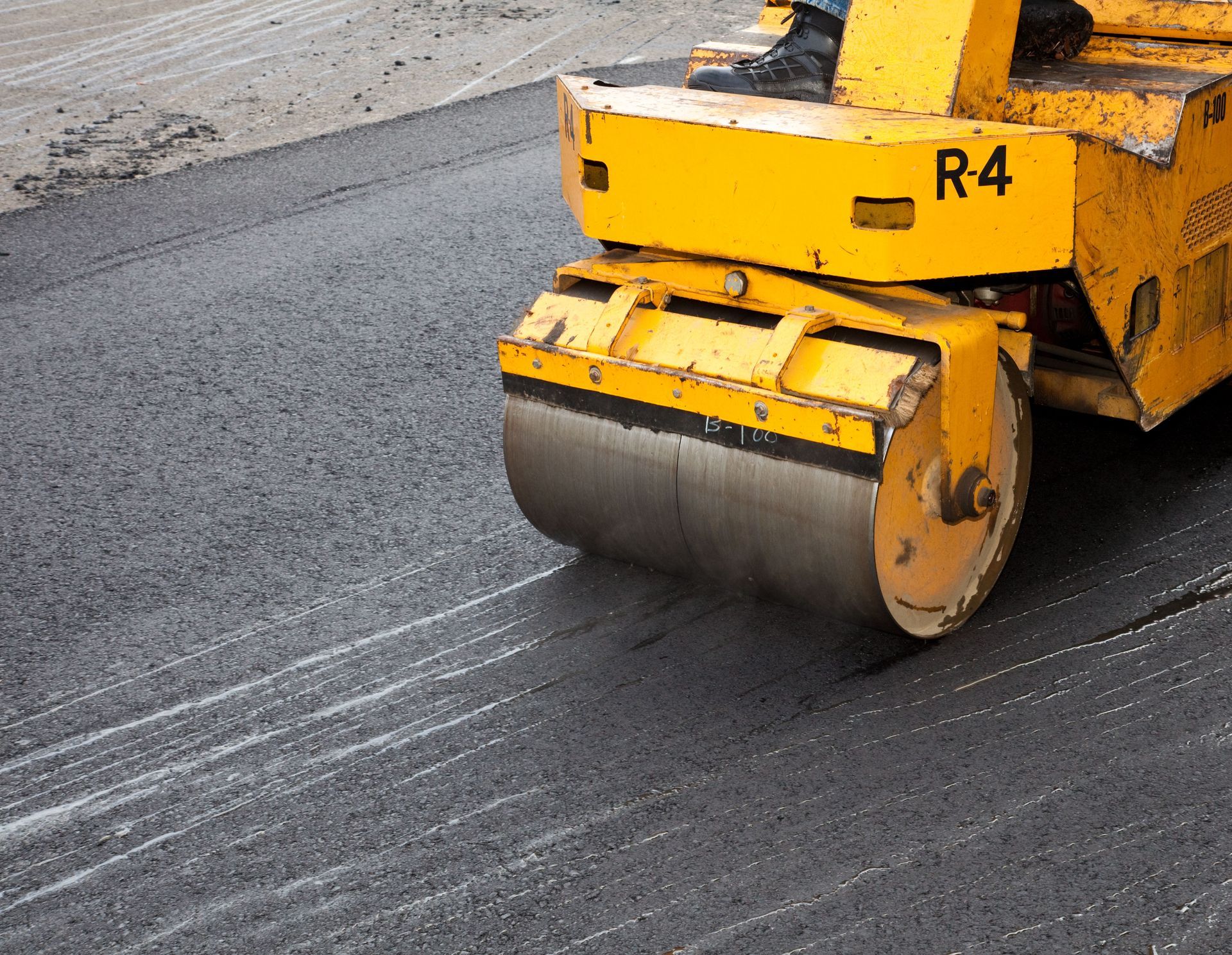
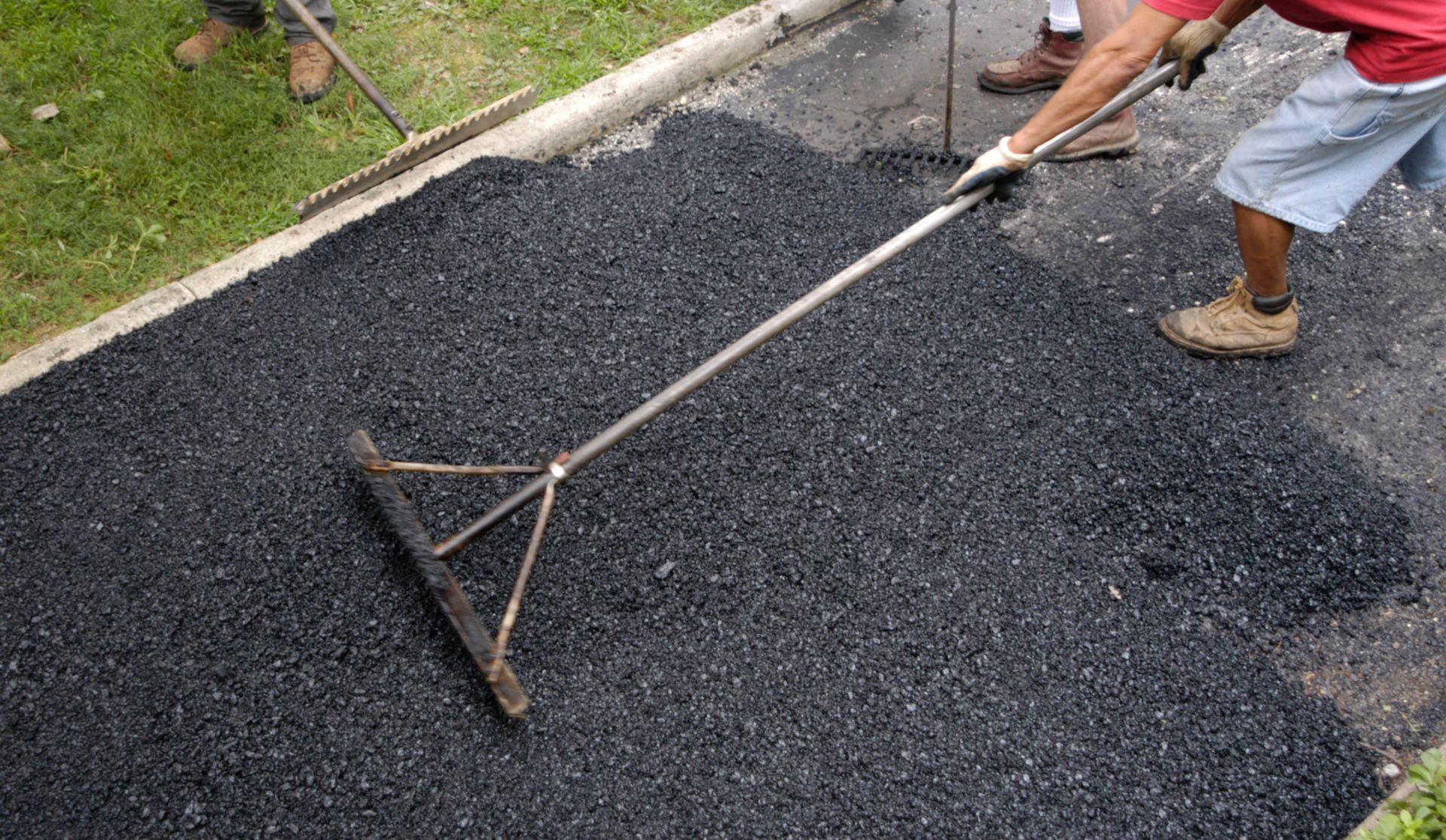
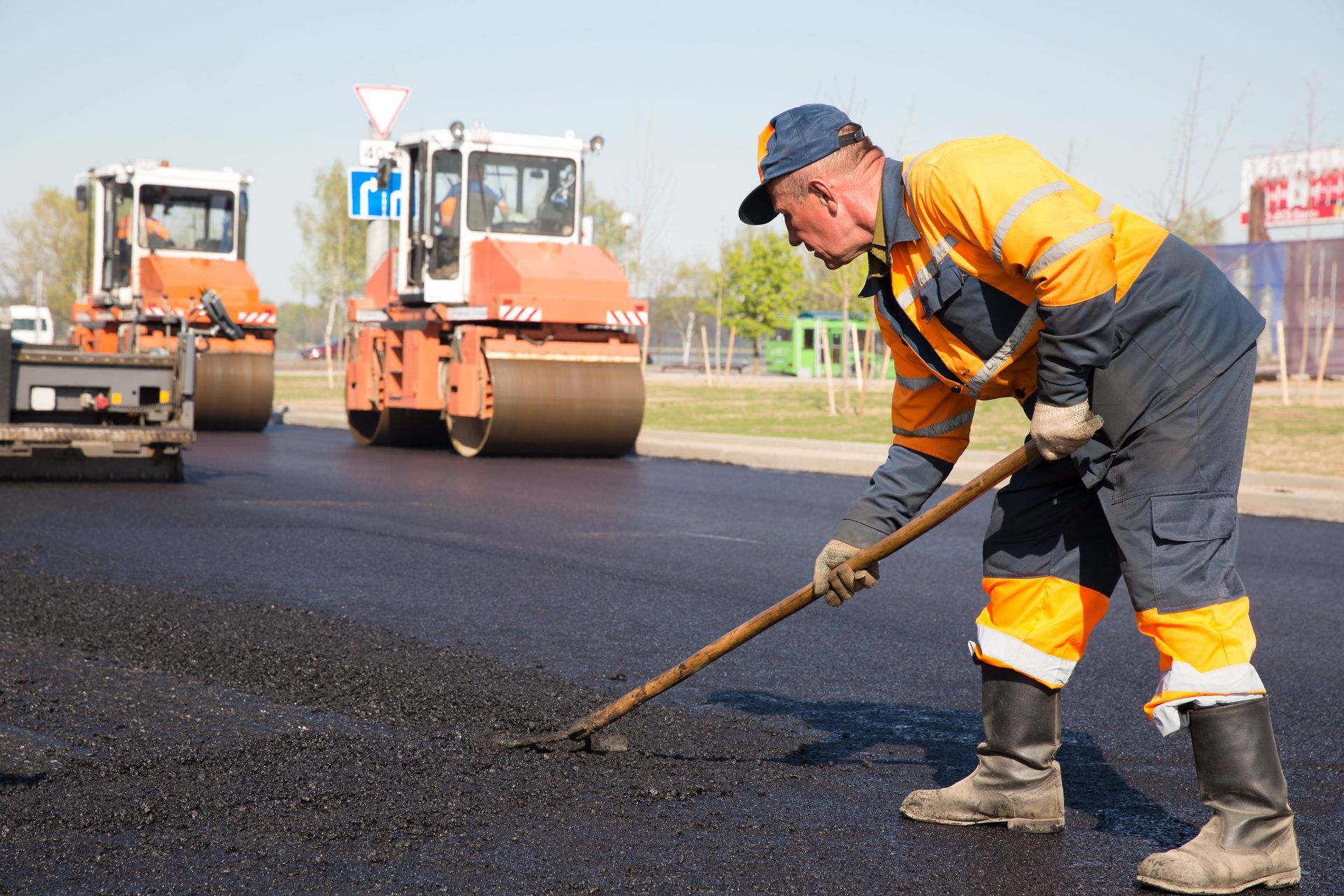
Layering involves building the surface in stages rather than placing all material at once. Each layer is placed and then compacted before the next is added. Paving contractors follow this approach to improve strength and reduce air gaps within the structure. Compaction is the process of pressing layers into a dense and stable form. This step improves load distribution and helps reduce movement within the surface. Paving contractors use timing and pressure control to achieve even results across the entire area.
Temperature and timing also influence compaction quality. If material conditions shift too early or too late, the final structure may not hold as intended. Paving contractors coordinate these steps carefully to maintain consistency. Proper layering and compaction help reduce surface cracking and uneven wear. These methods also improve resistance to traffic pressure over time. Paving contractors rely on these techniques as core parts of their process to support long-lasting results.
Managing Drainage and Environmental Conditions
Water is one of the most common causes of pavement wear. Proper drainage design helps reduce pooling, erosion, and surface breakdown. Paving contractors consider water flow patterns as part of early planning to reduce long-term damage. Drainage systems are designed to move water away from the surface efficiently. Even small amounts of standing water can weaken pavement layers over time. Paving contractors shape surfaces and edges to guide water movement in controlled directions.
Environmental conditions such as heat, cold, and seasonal changes also affect pavement performance. Temperature shifts can cause expansion and contraction in surface layers. Paving contractors account for these changes when planning structure depth and material placement.
Wind, sunlight exposure, and the surrounding landscape also influence long-term durability. Areas with heavy exposure may require different design approaches compared to shaded or protected spaces. Paving contractors evaluate these conditions to adjust surface planning. Effective drainage and environmental planning help reduce maintenance needs over time. When water and weather effects are controlled, surfaces remain more stable and functional. Paving contractors use these considerations to support consistent long-term results.
Inspecting Quality and Addressing Early Wear
Quality inspection is an important step that helps identify issues before they become larger problems. After installation, surfaces are reviewed for consistency, smoothness, and structural alignment. Paving contractors examine these elements closely to confirm that the surface meets expected performance standards.
Early wear can appear in small forms, such as surface marks or minor unevenness. When detected early, these issues can be addressed before spreading. Paving contractors monitor these signs and evaluate whether adjustments are needed. Inspection also includes reviewing edges, joints, and transitions between sections. These areas often experience higher stress from traffic movement. Paving contractors focus attention on these points to reduce the risk of early breakdown.
Environmental exposure after installation is also observed. Weather conditions can influence how the surface settles in the first stages of use. Paving contractors account for these effects when reviewing initial performance. Consistent inspection supports long-term durability by identifying changes in surface behavior early. Paving contractors rely on this stage to confirm that the structure is performing as intended and to reduce the likelihood of future issues.
Maintaining Pavement Performance Over Time
Long-term pavement performance depends on continued attention to surface condition and structural stability. Over time, all paved areas experience wear from traffic and environmental exposure. Paving contractors help manage this process through structured maintenance approaches. Maintenance planning begins with understanding how the surface is used. High traffic areas may require more frequent attention compared to lighter use zones. Paving contractors evaluate these differences when recommending maintenance timing.
Small surface changes, such as cracks or fading, can indicate early signs of wear. Addressing these changes early helps reduce more serious issues later. Paving contractors monitor these conditions and recommend appropriate responses based on surface behavior. Weather cycles also play a role in long-term maintenance needs. Repeated exposure to heat, rain, and cold can gradually affect surface strength. Paving contractors consider these patterns when planning maintenance schedules.
Regular evaluation helps extend the usable life of paved surfaces. When conditions are reviewed consistently, performance remains more stable over time. Paving contractors support this process by providing structured assessments and guidance based on observed conditions. Proper maintenance planning helps reduce disruption and keeps surfaces functional for longer periods. Paving contractors use experience with similar projects to guide timing and approach for ongoing care.
As more projects focus on durability and long-term value, the role of paving contractors remains important across residential, commercial, and public spaces. Careful attention to detail at every stage supports stronger outcomes and more reliable surfaces. For those seeking reliable pavement planning and installation support, working with the professional paving contractors at Cooper Bros Asphalt Paving Inc provides a clear path toward well-planned and long-lasting surface results.

Share On: