Paving Service: How Small Pavement Cracks Turn Into Major Repairs Within a Few Seasons
November 25, 2026 By Howard Cooper
A thin line across a driveway can look much the same all summer. After a wet fall and a winter of freezing and thawing, the edges may be farther apart or have started to crumble. By the time a wheel knocks a piece loose, the change can seem sudden. The pavement may have been losing support for months.
Some cracks stay isolated for years. Others can spread within a few seasons when water keeps getting in and vehicles pass over the same weakened area day after day. The sequence matters because a repair that makes sense for damage near the surface may change once the layers below are involved.
Why the First Crack Appears
Asphalt expands and contracts as temperatures change. With age, the binder that holds the stone together can stiffen, making the pavement less able to tolerate that movement. A narrow crack may open across a driveway during a cold spell even in a section that sees little traffic. A crack can also follow a seam between sections of asphalt. Those lines sometimes become more noticeable as adjoining sections contract in cold weather, particularly where a joint was already weak. Elsewhere on the property, a crack may appear first in a wheel path where repeated loads put stress on the same strip of pavement.
Where a crack starts gives a paving service a clue about what might be driving it. A single line with level edges across an otherwise even driveway tells a different story from several short cracks clustered where a delivery vehicle regularly turns. At this early stage, changes around the crack matter as much as its width. If the adjoining surface starts to dip or break apart, the damage may extend below the line visible from above.
How Water Reaches the Base
Once the surface opens, rain and melting snow can enter through the crack. A spot that collects runoff can stay wet long after adjacent pavement dries. Repeated exposure gives water more opportunities to reach the base, the layer beneath the asphalt that helps distribute the weight of vehicles. Moisture can also reach the base from the side of the pavement. This can happen along a driveway edge where runoff from adjoining ground keeps the soil wet, even when the center of the driveway looks dry.
Damage can accelerate when temperatures rise above freezing by day and fall below it at night. Water can enter an opening during the thaw and expand when it freezes again. As the edges move and wear, the crack can give more water a path into the pavement the next time it rains or snow melts.
For a paving service evaluating a recurring crack, the way water moves across the property provides context. A low spot that takes runoff from farther up the lot may stay wet longer than a crack of similar width on higher ground. That difference helps explain why two areas paved at the same time can deteriorate at different rates.
Traffic Accelerates Damage as Support Weakens
Saturated material beneath the pavement can lose some of its ability to support traffic. When a tire crosses the area, the asphalt may flex more than it does over a firm base. One pass may leave little visible change. Repeated passes over the same spot can drive existing cracks farther and create new ones nearby.
The pattern is particularly visible at entrances and loading areas. Drivers entering a commercial property often slow down and take the same turn, putting their wheels on the same strip of asphalt. A delivery truck may follow an equally predictable route to the dock, placing heavier loads on another part of the lot. A network of connected cracks along those routes can signal that the pavement is struggling to carry repeated loads.
During a paving service visit, information about vehicle traffic can help explain why deterioration is concentrated in one section. A row of spaces used by passenger cars may hold up well while a nearby delivery lane starts to show the effects of heavier loads.
Loose Edges Become Larger Breaks
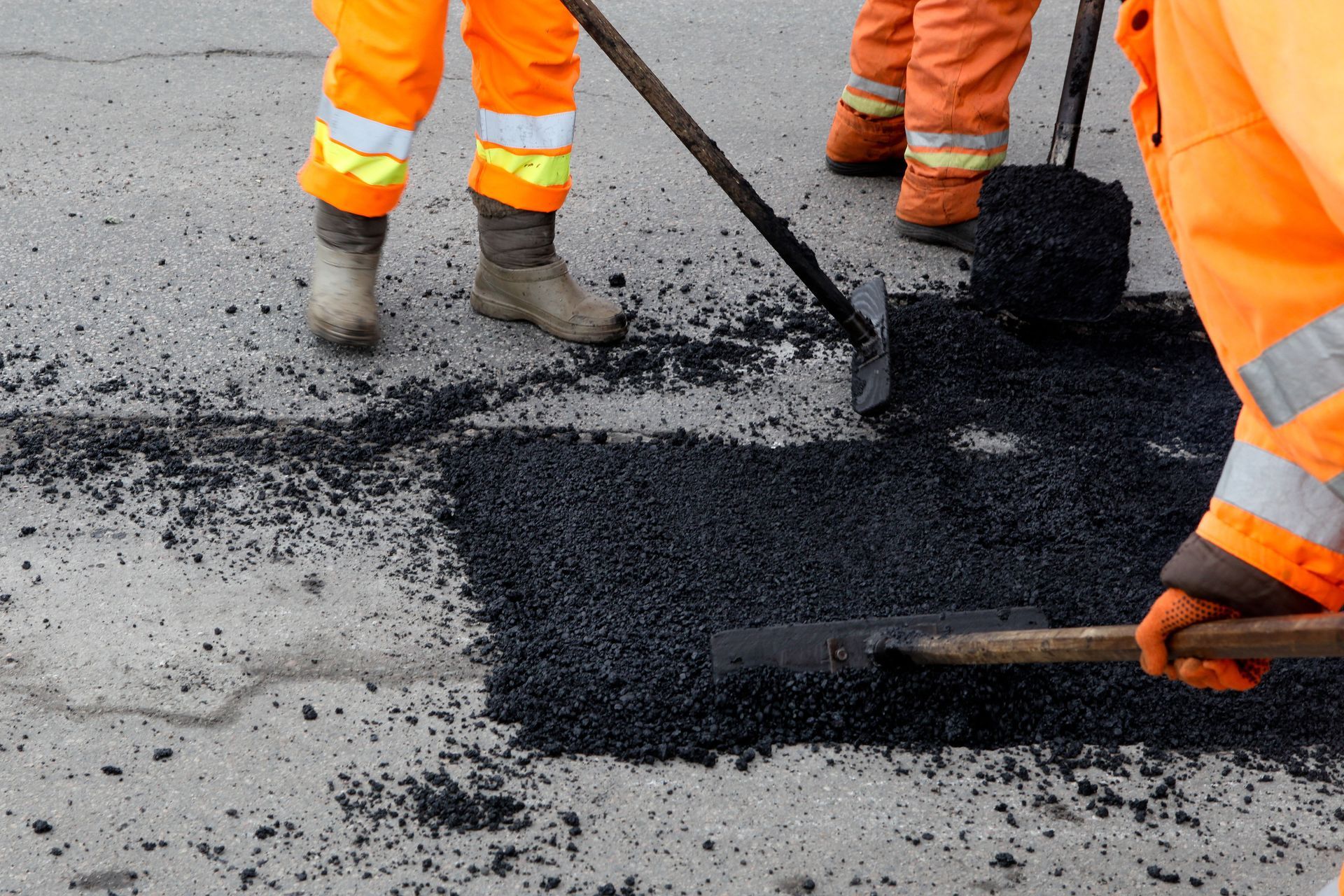
Once cracks intersect, they divide part of the surface into smaller pieces. Tires can work those pieces loose, especially where the pavement has already lost support. A shallow break then gives water another place to sit and exposes more pavement edges to traffic. As those edges crumble, the opening can grow into a pothole.
A depression can also appear before any pieces are missing. It might first show up as a shallow puddle that lingers after a storm. As the pavement settles, cracks can develop along the edges of the dip, making it easier for water to reach the base across a wider area.
The most visible break may occupy a small part of a larger area that has begun to settle or develop connected cracks. A paving service can look at the pavement around the break to determine how far the affected area extends. That assessment helps explain why a repair can reach beyond the part of the lot where the first piece came loose.
Repair Depth Determines Which Equipment Is Needed
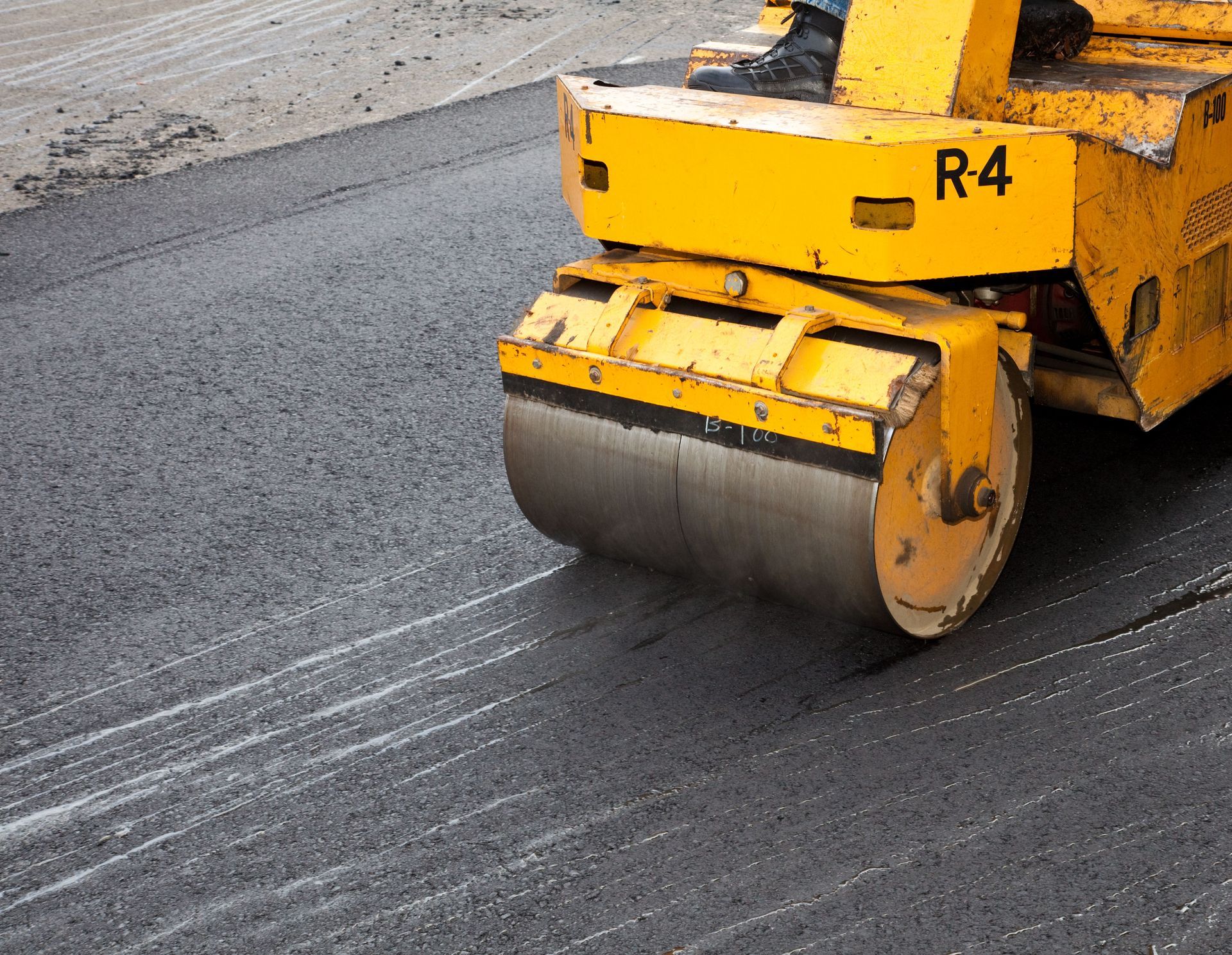
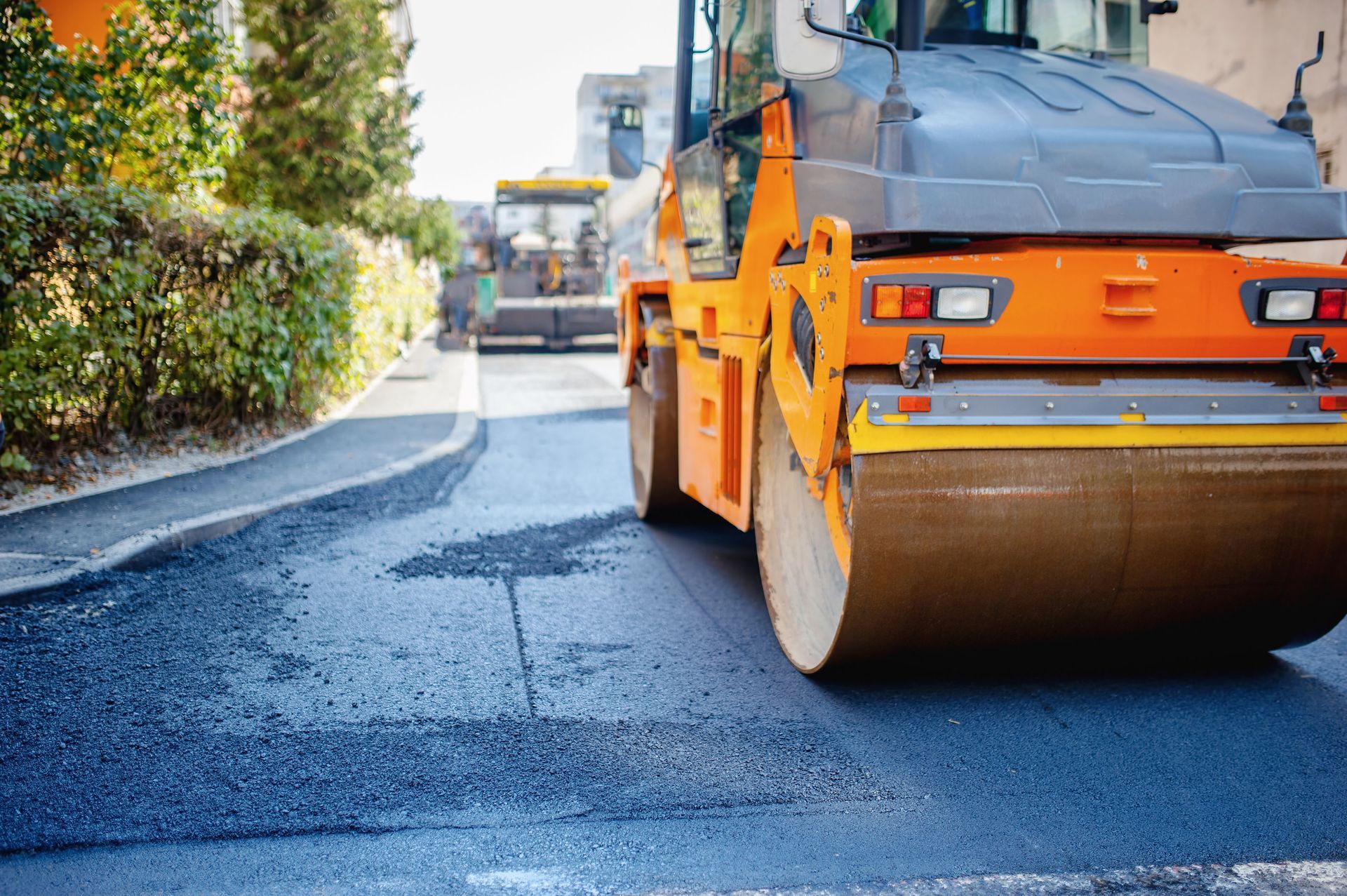
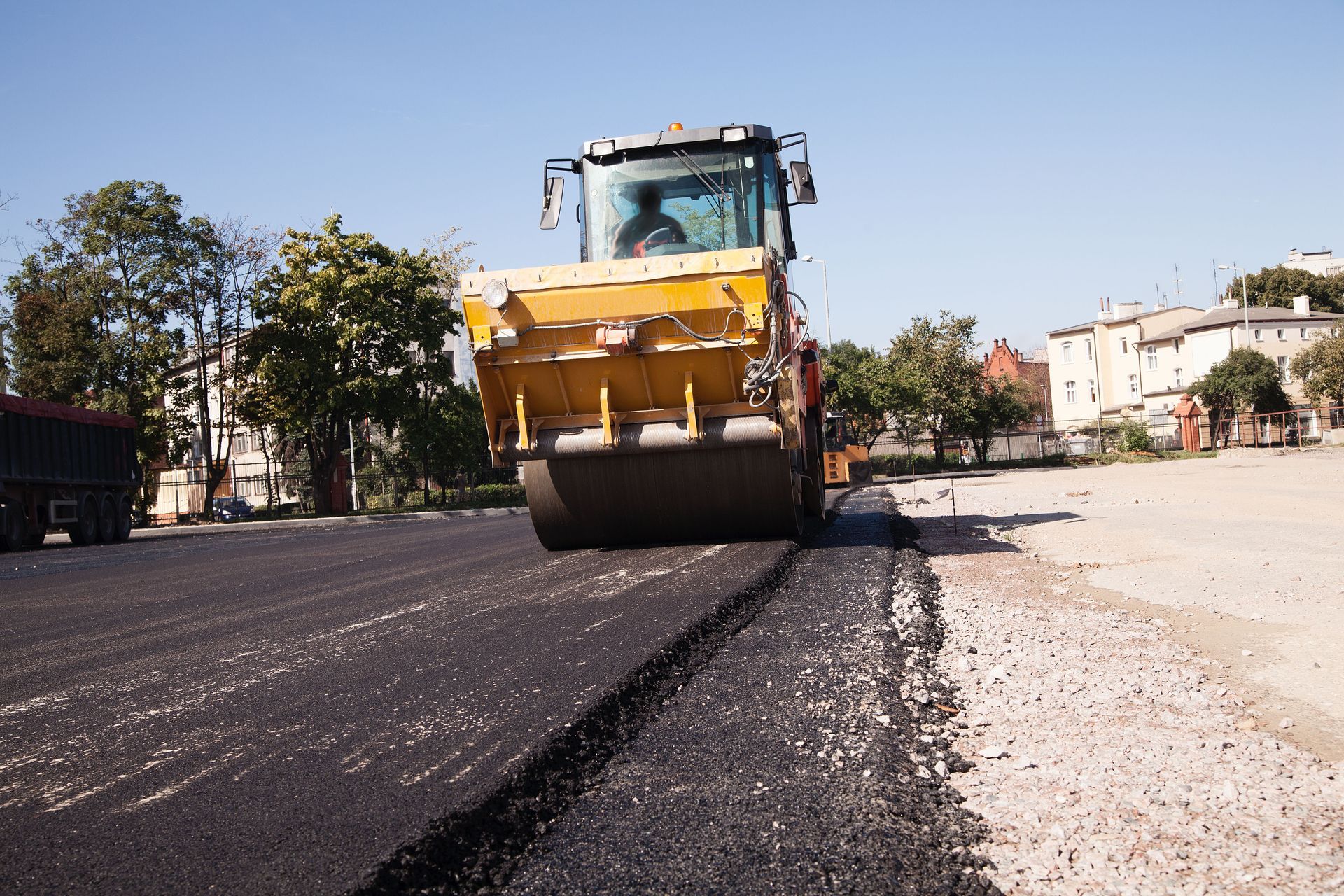
Paving machinery is designed around both the material and the work at hand. According to GM Insights, the worldwide market for machines used to pave concrete was estimated at USD 1.67 billion in 2024. In asphalt repair, different machines may be used even on the same lot. The choice depends on how far the damage extends and which layers are sound enough to leave in place.
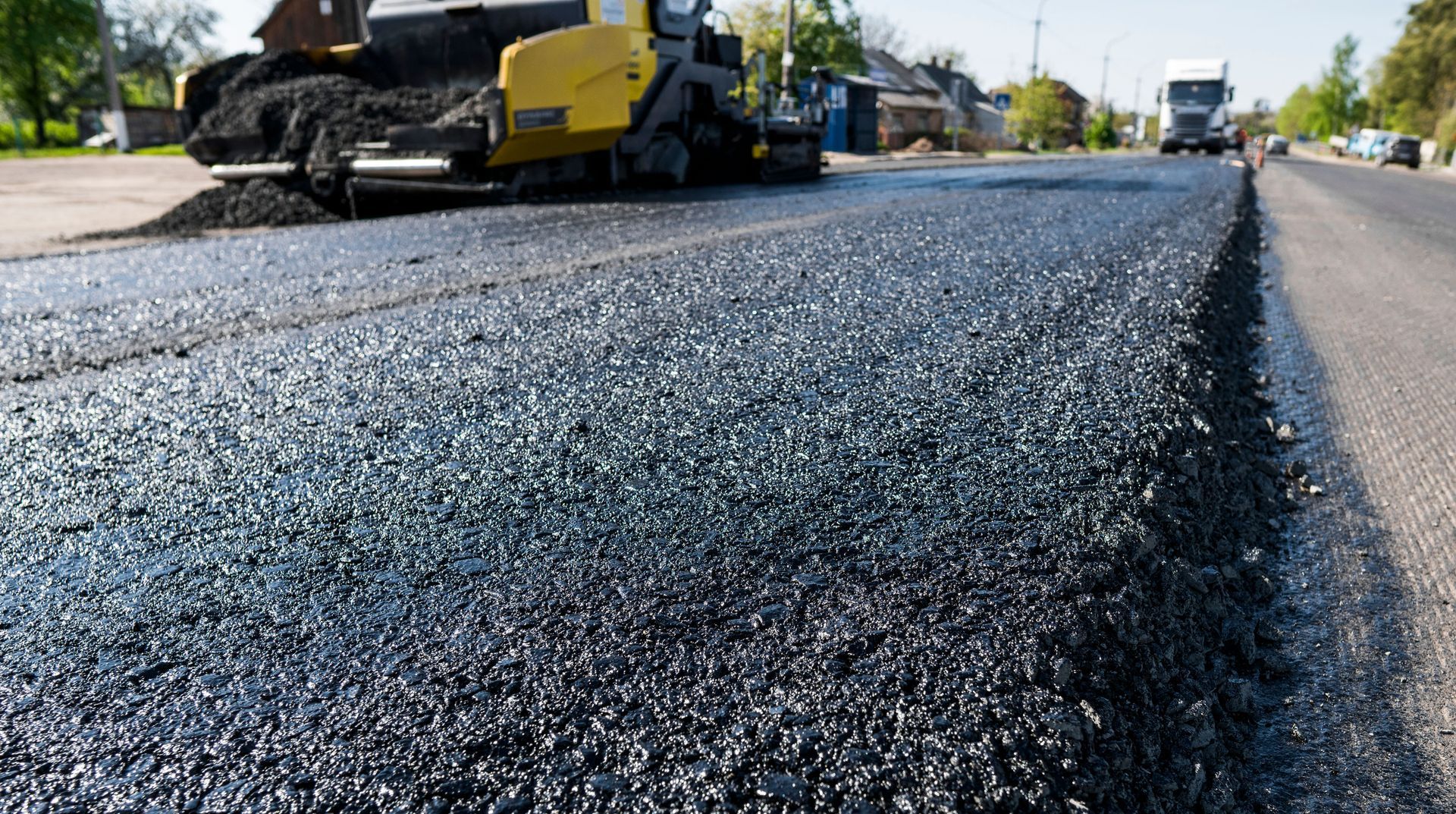
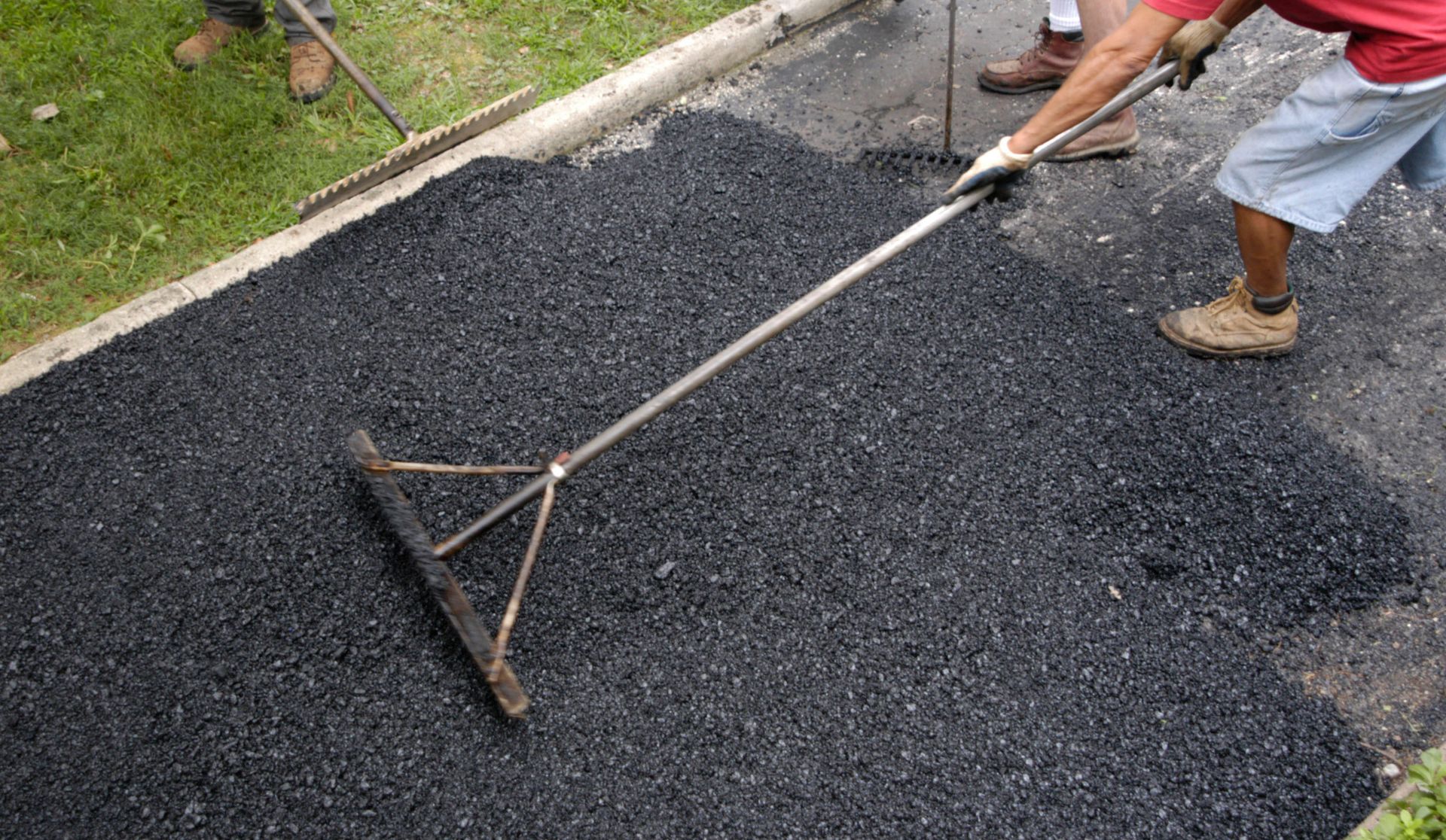
Where the underlying pavement and base remain sound, a paving service can mill away the deteriorated asphalt to make room for resurfacing. The new asphalt then has a stable layer underneath it. The depth of milling can also help the finished surface meet adjoining pavement at an entrance or other transition.
More widespread deterioration can call for work below the surface. When the existing materials are suitable, full-depth reclaiming pulverizes the old asphalt and blends it with part of the material below to form a base for new pavement. If the affected layers need to be removed and rebuilt, replacement may be appropriate. Which approach makes sense depends on the condition of the existing structure and the traffic the repaired area needs to carry.
Where Commercial Sealcoating Fits
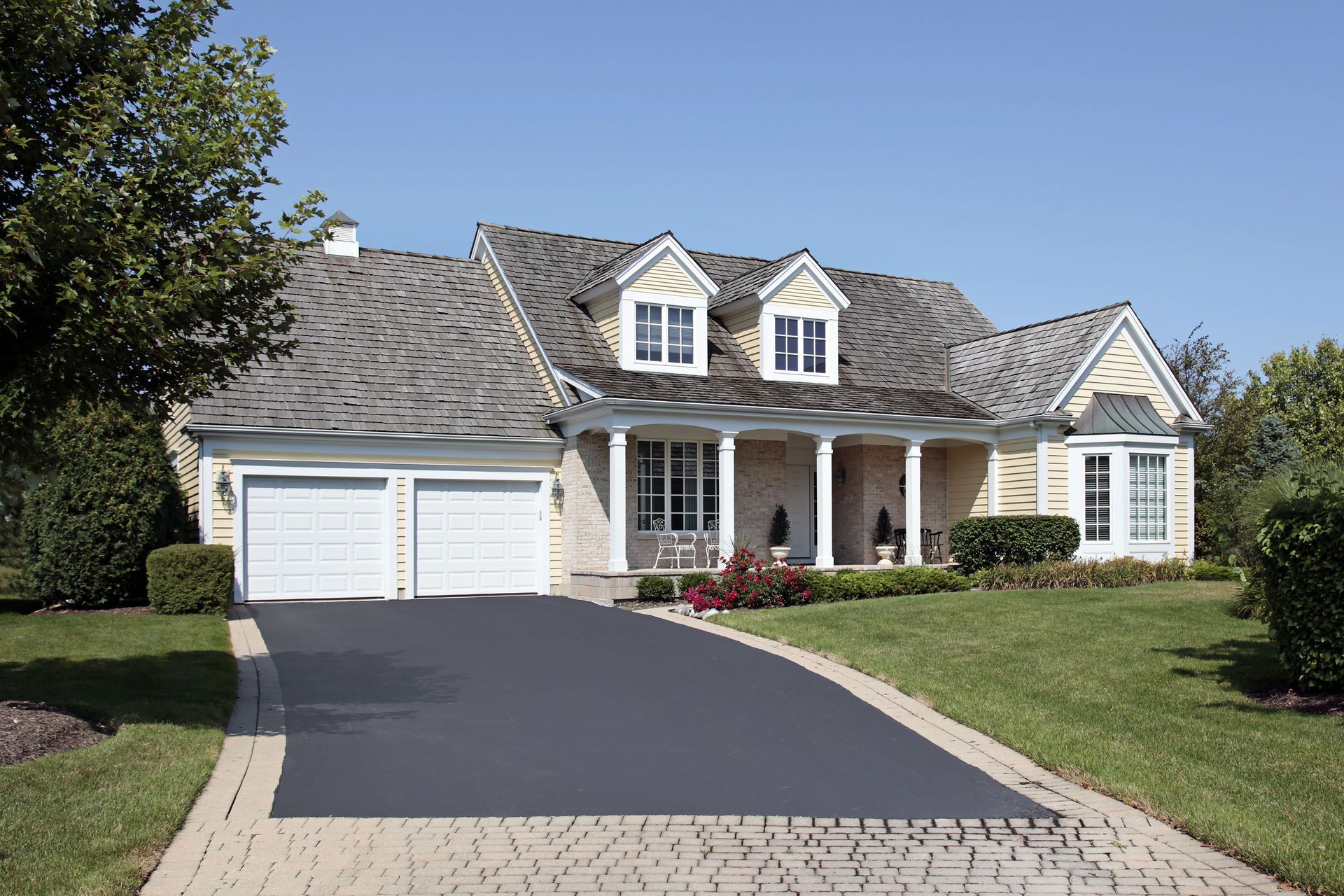
Commercial sealcoating can help limit weathering where the asphalt is still firm and reasonably even. A lot that has held its shape through several winters may have areas that are still suitable for that kind of surface protection. A section with settling or connected cracks calls for a closer look at the layers below before a coating decision is made.
On a commercial lot, areas of stable pavement can sit beside sections that need substantial repair. A paving service can assess them separately, accounting for where water collects and where traffic is concentrated. That makes it possible to plan surface protection for the areas that are in good condition and choose a repair suited to the places where damage has moved deeper.
A crack's progression often tells more about the pavement than the size of the opening on any given day. An early assessment can help a property owner understand how much of the surrounding pavement is still sound. At Cooper Bros Asphalt Paving Inc, we can evaluate deteriorating asphalt and explain which paving repair fits its condition. Contact us to discuss what you've noticed on your driveway or parking lot.
Share On: